Last summer, I spent many of my days smelling like sweat, cigarettes, and alcohol before noon. How did my first year at Hopkins get me there—and, more importantly, how can it get you there, too?
This is the opposite of a cautionary tale, but I need to explain things first. Something somewhere in the culture shifted when it comes to summer plans for college students. It could have been between hearing my parents talk about their summers of undergraduate years and today. Maybe the media is to blame. Perhaps Hopkins students are a different breed compared to the college students I was exposed to as a high schooler in Kansas. What I’m saying is that, coming to Hopkins, I didn’t anticipate the fervor to have an internship, research arrangements, or other miscellaneous obligations the summer after your first year.
I was planning to work at Coldstone over the summer, like I did that winter break. But when my friends started making their plans, I realized that college summers look different than high school summers. Allow me to be a bad storyteller: in the end, I received the Homewood Museum’s Pinkard-Bolton Curatorial Internship, which paid for approximately 100 hours of an original research project I pitched. The internship’s flexibility is a plus, and it allowed me to only spend three extra weeks in Baltimore before returning home for the rest of the summer.
Given the safety net of a well-regarded and named internship, I could do whatever I wanted with the rest of my break. It took that guarantee to allow me to discover something that, I realize now, would have been a worthwhile way to spend my summer even if I had nothing else. I’m here to save you the time and worry of getting the most prestige-based summer plan, instead of chasing the random and strange delights in life.
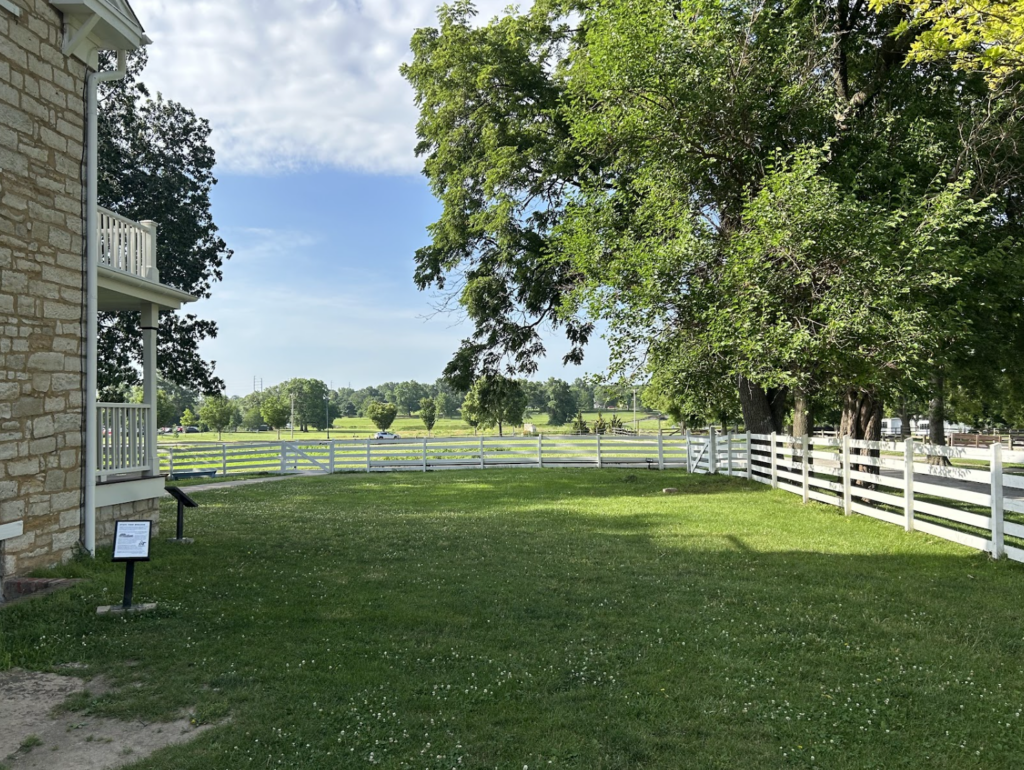
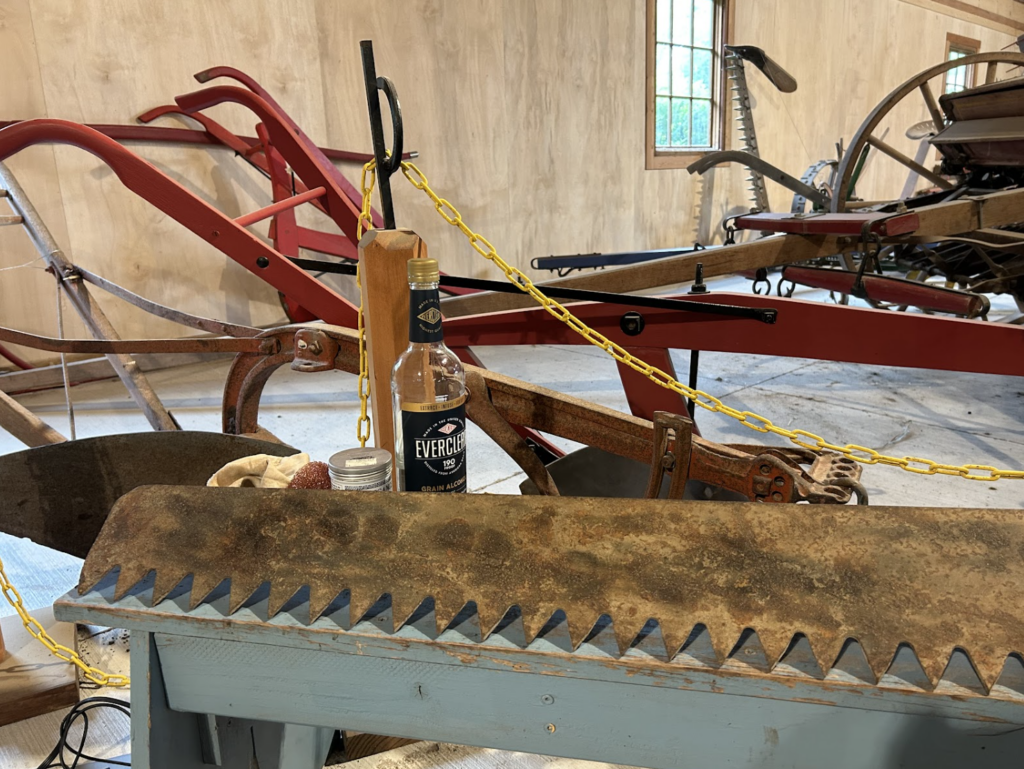
I smelled like sweat, cigarettes, and alcohol before noon most days because I was interning at Mahaffie Stagecoach Stop and Farm Historic Site, an open-air farm museum in my hometown. I worked in the agricultural barn using Everclear to restore and conserve antique farm equipment for everyday use and display. Each shift, I was surrounded by living historians dressed in late 19th-century garb or animals: the sheep named Smoothie who headbutted children who touched him behind the ears, the horse named Prince who rampaged and broke a fence, a cow whose name was either Salty Jane or Sassy Jane, I don’t remember which or why.
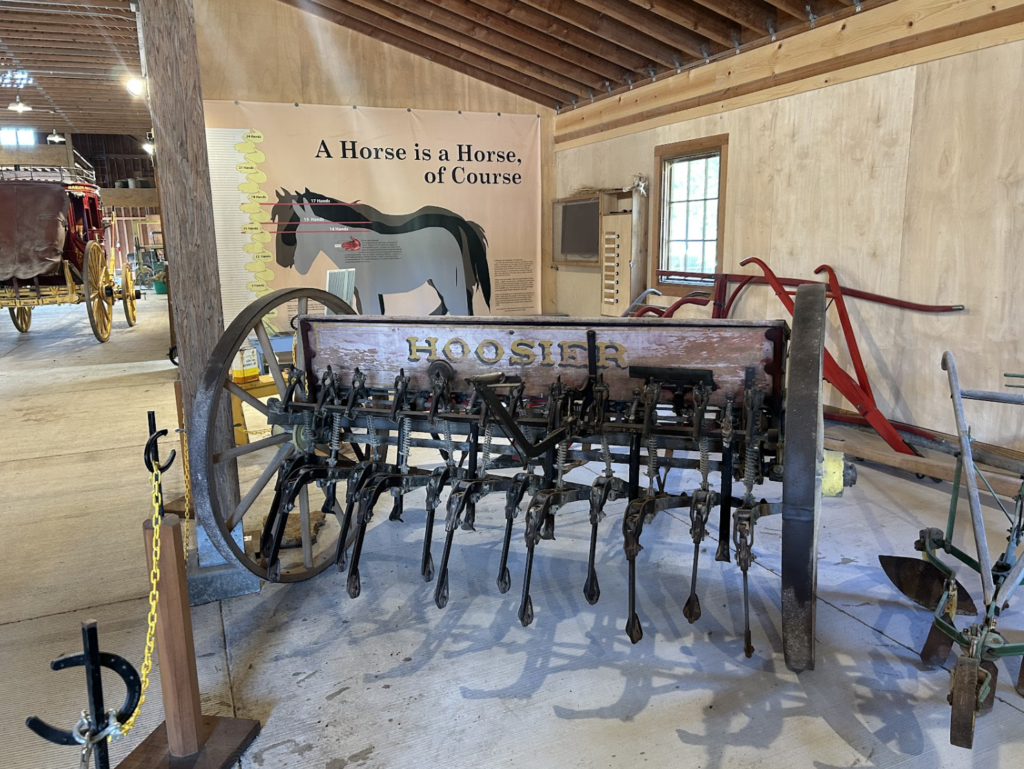
But I didn’t spend every moment at Mahaffie just cleaning scythes, ice tongs, shovel plows, moldboards, and International Harvesters from before that brand existed. One day, I played 19th-century baseball, which was easier than modern baseball, maybe just because I was playing against kids. I got married, maybe: during “love week” on the farm, I read the role of our horse Goliath as he married Lady in an 1854 Presbyterian wedding ceremony.
I hope the personal benefits of experience are clear. Yes, I have a unique interest in 19th-century house museums and a lust for pastoral living. I found it meditative giving an inordinate amount of attention and care to inanimate objects that have persevered through history to still function today. But also, this is an experience no one else (so far whom I’ve met) can say they also have. Not everything has to be commodified into professional terms—How will this help employ me? Is my time being usefully spent?—but this is a resume item I have mentioned during every interview I’ve had since. It’s an experience I sought because I was purely interested in it, and it’s a differentiating factor among a stack of resumes where everyone’s experience begins blending together into one amorphous, highly qualified mess. I’ve become The Applicant Who Maybe Married a Horse, and I wouldn’t have it any other way.
If you don’t have summer plans yet—or if you aren’t interested in selling yourself to an internship or research you’re not passionate about in your first summer of college—then don’t worry. Find the experience that (1) you’re genuinely interested in and (2) is earnestly once-in-a-lifetime. Then choose it.