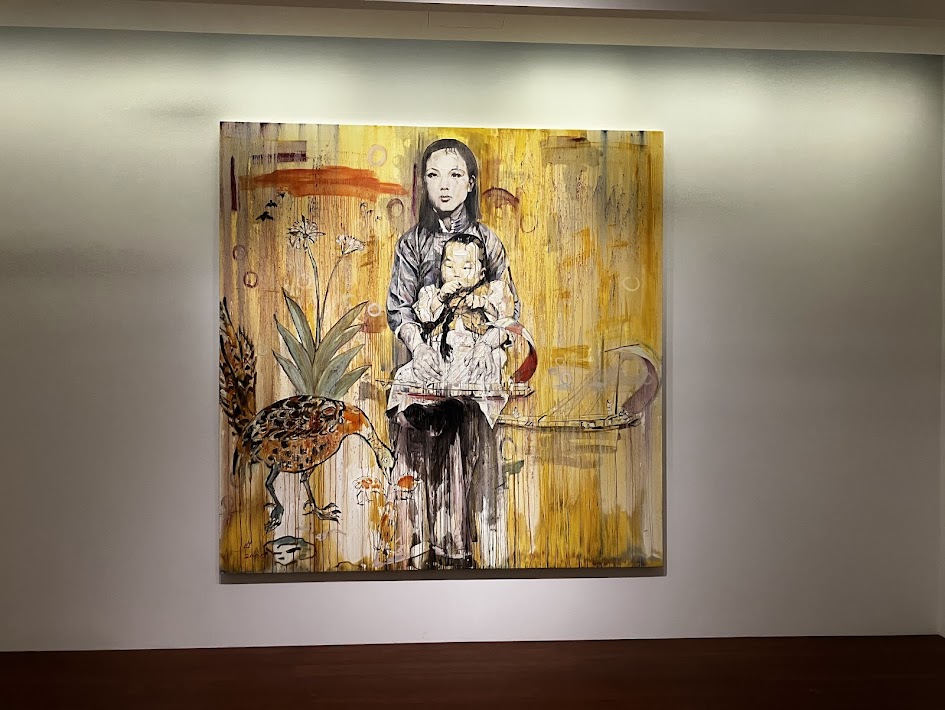
The Baltimore Museum of Art (BMA) is located directly beside the Homewood campus. It’s a free art museum that houses nearly 100,00 works. I can attest to how much fun you can have spending a few hours trying to take in all the BMA has to offer.
One of the benefits of having a museum with such a vast collection so close to campus is that it’s easy to go there for classes. So far, I’ve taken two art classes at Hopkins: my First-Year Seminar, “Global Nude: The Study of Nudity in Art,” and my Re-Introduction to Writing, “Making Art Matter.” Both included frequent trips to the BMA, and the BMA’s Study Room.
Before coming to Hopkins, I didn’t intend to take any art classes. Although I would have called myself an appreciator of the visual arts, I hadn’t visited any art museums nor taken any art-related classes other than one photography course. Fortunately, my First-Year Seminar and Reintroduction to Writing class provided me with an opportunity to deepen that interest. Now, I am considering the Art History minor.
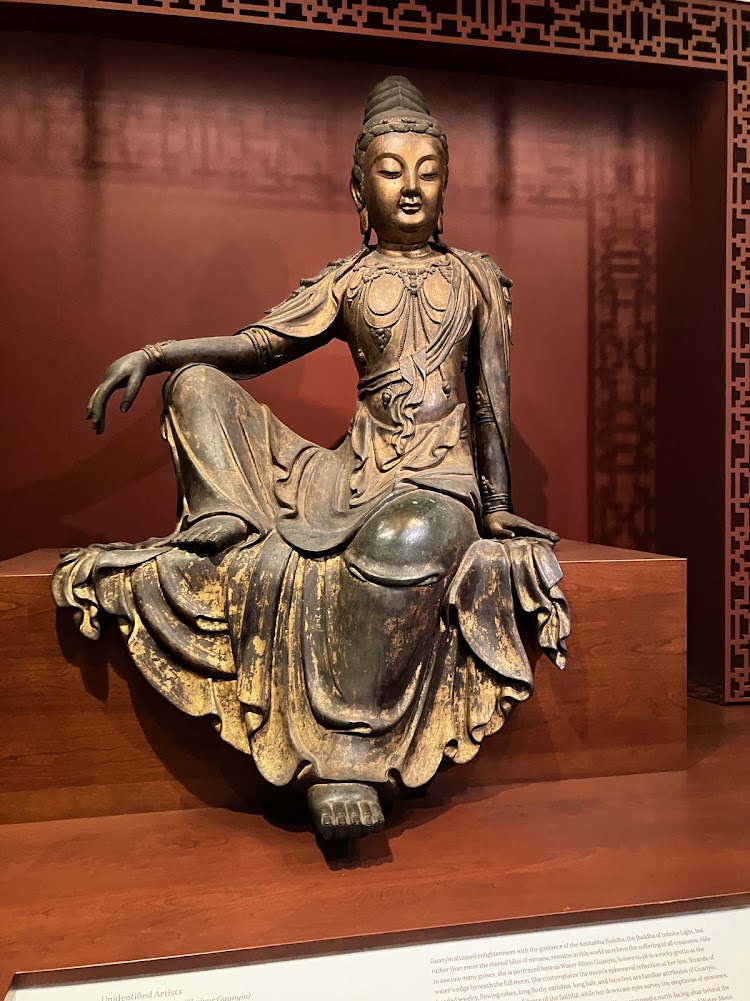
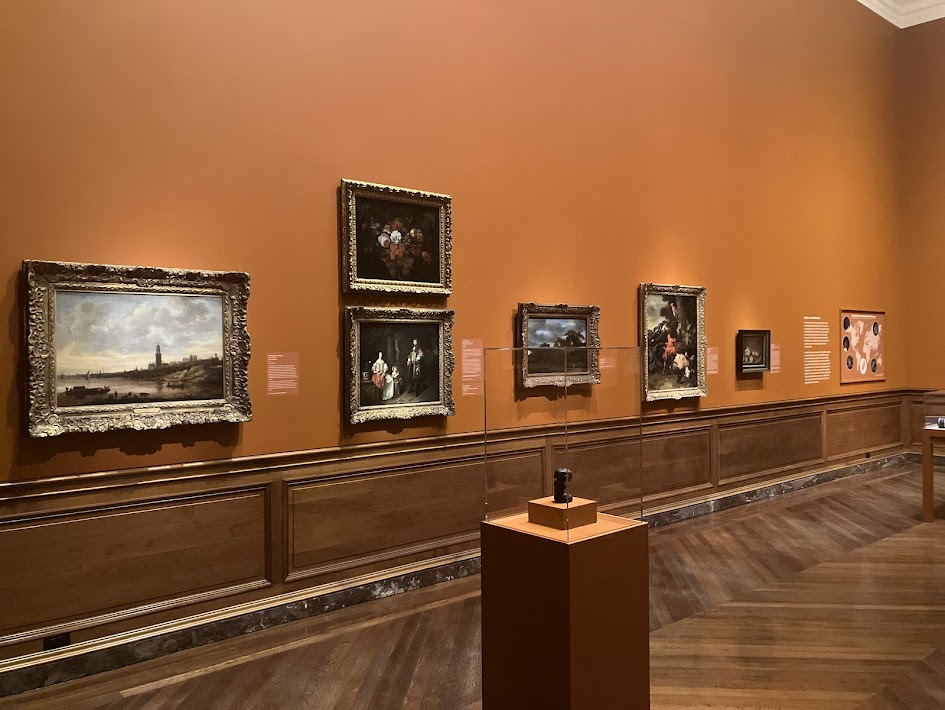
The BMA’s collection consists of works from all over the world, including both contemporary and traditional pieces. Some of the larger pieces on display have seating areas placed in front to invite reflection. I’ve spent a lot of time sitting in front of my favorite piece currently on display, a slightly larger-than-life-size metal-alloy statue of Water-Moon Guanyin.
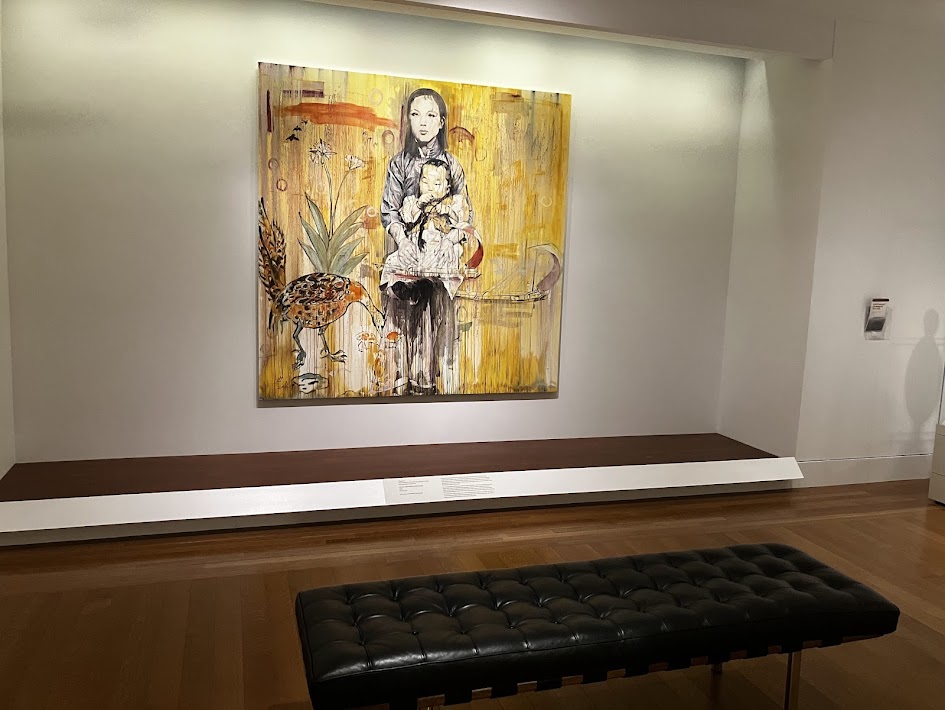
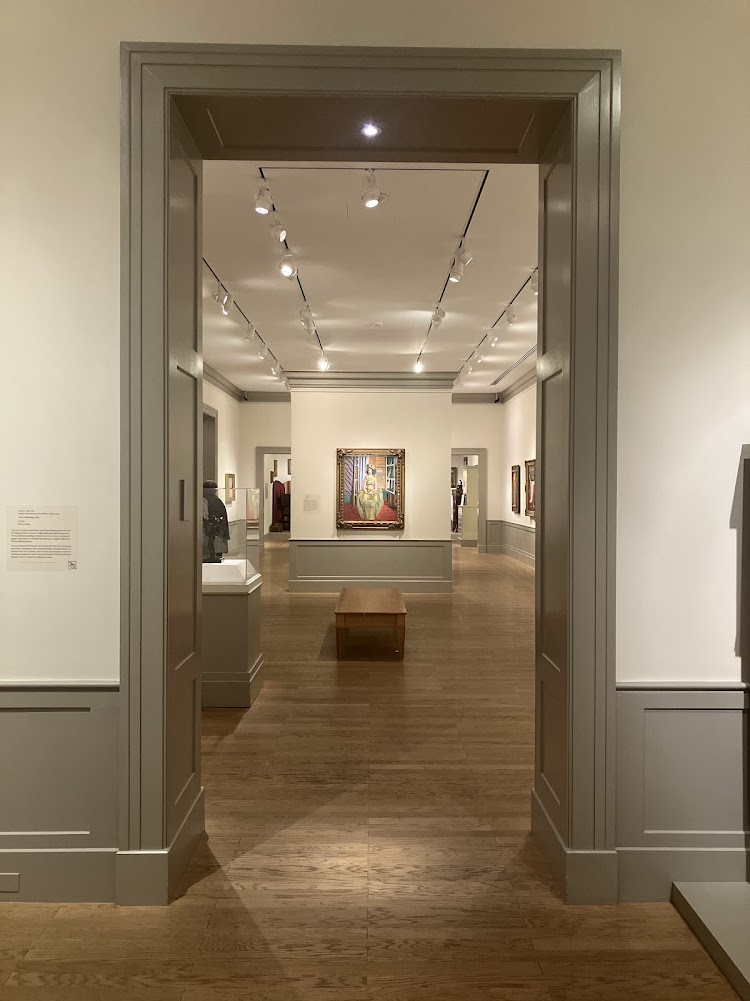
The architecture of the museum is a work of art in and of itself. As you travel through the museum, you shift from contemporary stone floors to aged hardwood to ancient cements. It’s as if you were being physically teleported into a different time and place. The BMA provides an immersive experience with some works incorporating sound and light; others are able and encouraged to be touched.

In the BMA’s Study Room, you can get a closer look at works not currently on display. In addition to receiving close access to pieces, there’s also the privilege of getting to discuss works with curators, subject matter experts, and ask any questions you may have.
Fun Fact: For preservation purposes, paper works can only be displayed for a limited time. For example, a work that is shown for six months must be stored for ten years; booking the Study Room gives you the chance to circumvent this and see these stored pieces.

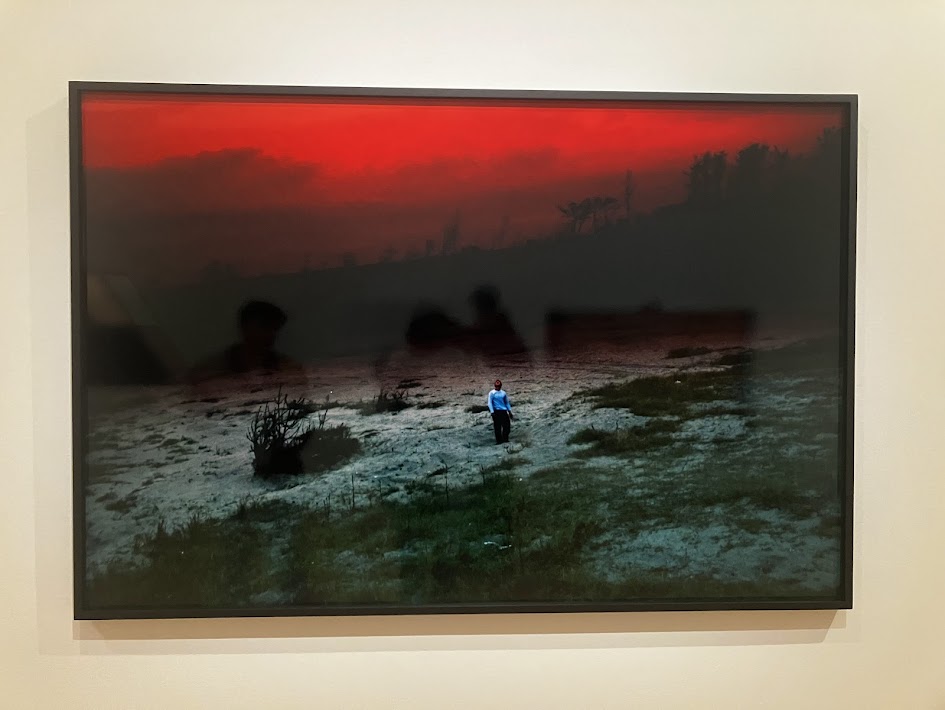
During my First-Year Seminar, our professor reserved the Study Room for our class to look at some photographs the BMA had stored. Dr. Robin Joyce worked with us to examine and critically engage with pieces such as Liu Zheng’s “Two Miners,” and Dena Lawson’s “Baby Sleep.” More recently, my Re-introduction to Writing class had a chance to engage with Jazzmen Lee-Johnson’s “Contraband.” We were given magnifying glasses to get a closer look at the multilayered, screen-printed piece. Bringing together our own prior knowledge on currency and the trans-Atlantic slave trade, as well as information provided by Dr. Joyce, we came to understand Lee-Johnson’s message about the generational effect the commodification of people has, and continues to have, on the Black community.

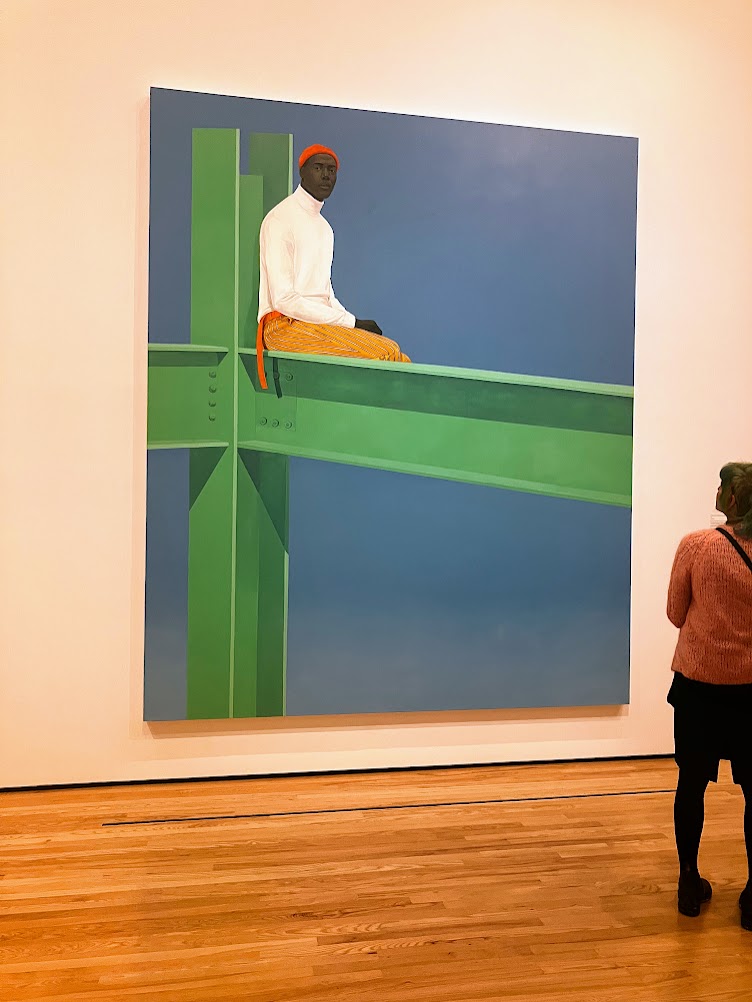
From November through April, the BMA showcased Amy Sherald’s “American Sublime.” The portraiture collection depicts Black Americans, including many Baltimoreans, living their lives. Sherald herself studied in Baltimore and uses a mixture of realism, surrealism, and magical realism to create captivating pieces. You may recognize Sherald from the portrait she was commissioned to make of former First Lady Michelle Obama; or perhaps from the portrait she painted of Breonna Taylor following her death.
Stepping outside of the museum, even closer to the university, we have the BMA’s sculpture garden. It includes both older and contemporary pieces; with one side dedicated to the abstract, it is wonderful to visit when the weather is warm. I am still baffled by how these uniquely shaped, towering structures remain standing for decades; the care and calculation that goes into sculpture making is part of why it is one of my favorite art forms.
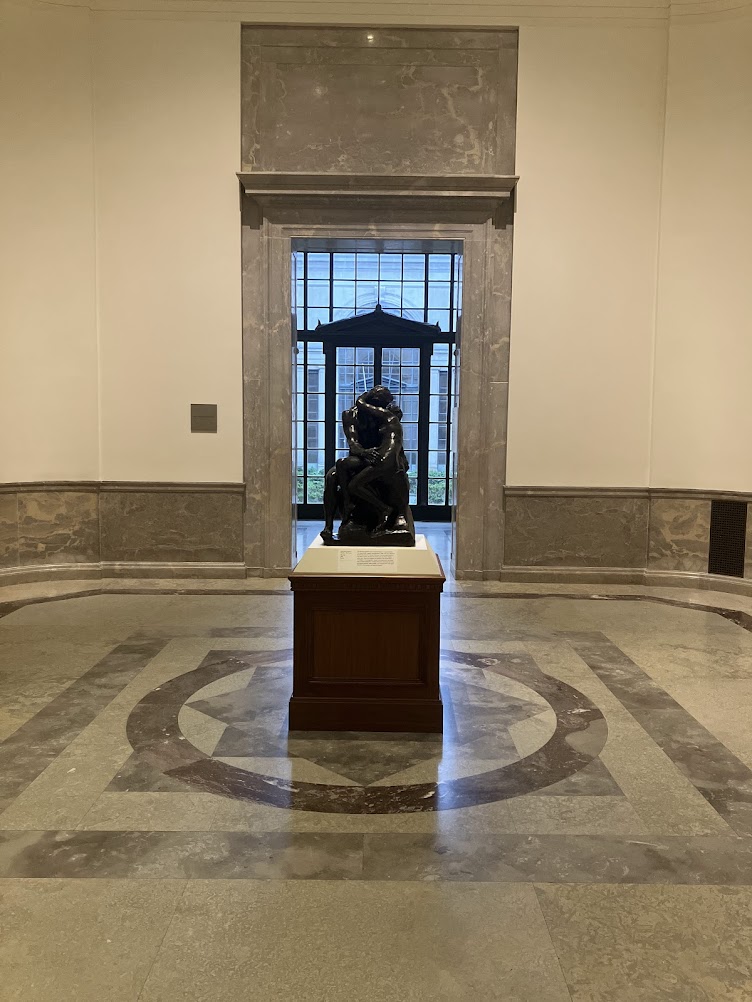
The BMA is one of my favorite places in Baltimore. It is so relaxing to spend time strolling around, noticing things you may not have on your last visit, sharing thoughts with friends, and getting inspiration. Additionally, there is so much to learn both at the BMA and in the Art History courses and Hopkins. Art is in many ways connected to the social conditions of the time when it’s created; it is both shaped by society and able to shape it. Understanding art and understanding society goes hand in hand.
All of that to say, drop by when you get a chance—it’s right next door! And while you’re at it, consider taking an Art History course!