Before coming to Hopkins, I knew I wanted to be premed, but I didn’t know exactly what that looked like. My endpoint was clear—medical school—but I was a little lost on where to start and what steps to take.
To help make this path simpler, I’ve created this guide outlining the major pieces of a premed student’s journey at Hopkins!
Application Timeline
Applying to medical school is different from applying to college. In high school, applications are due during your senior year. You can even take the SAT/ACT as late as December of that year.
If you’re planning to start medical school immediately after graduating (AKA with no gap years), then you should submit your applications around June after your junior year. This means you’ll need to take your MCAT sometime during your junior year of college. Then, during the fall of your senior year, you’ll be going through the interview process, and during winter/spring, you’ll be getting your decisions.
If you’re planning to take one gap year, shift those dates back. So, you’d be submitting applications during the summer after senior year and taking your MCAT sometime before then (usually during junior-year summer or senior-year winter break). Interviews will happen during fall of your gap year, and decisions will come during that winter/spring.
Gap Year(s)
A gap year is exactly how it sounds—it’s spending the year after you graduate college doing whatever you want, then going to medical school after that. Some people extend this into two years or more, and others don’t do this at all; there’s no right or wrong option here!
Part of my reason for taking gap years was because I wanted all four years of undergrad reflected on my application (rather than just my first three years). In addition to letting me strengthen my GPA, it’s giving me more time to do research, gain clinical/volunteer experience, and complete any coursework relevant to the MCAT.
Basically, gap years allow students to strengthen their applications before applying, and they’re becoming increasingly common. Not everyone goes this route, but all of my friends are. The most common things I’ve seen people do during this time are work clinical jobs (e.g. EMTs, CNAs, etc.), do research, travel, or get a master’s degree.
Prerequisite Coursework
Prerequisite coursework refers to the college classes that medical schools require students to take before they can apply. The Association of American Medical Colleges (AAMC) releases a list every year that outlines each medical school’s required/recommended courses. It also mentions other important details like whether pass/fail credits, AP credits, online courses, and community college transfer credits are accepted.
I recommend building a four-year plan when you come to college. This made selecting my classes really easy and all the requirements feel less overwhelming. I would also advise you to spread these classes out instead of trying to finish them as quickly as possible. Some people take the MCAT before they finish their prerequisites and do just fine. Others feel they need a foundation in the topic before they can test. It all depends on how you learn.
A common misconception is that you need to major in something STEM-related to be premed, but that’s actually not true. Any major is fine as long as you fit in the required courses, so choose something you’re truly interested in!
MCAT
The MCAT is to medical school as the SAT/ACT is to college. This 7.5-hour test is made up of the following four sections: Chemical and Physical Foundations of Biological Systems, Critical Analysis and Reasoning Skills (CARS), Biological and Biochemical Foundations of Living Systems, and Psychological, Social, and Biological Foundations of Behavior. The exam is administered in person at a testing center but completed online.
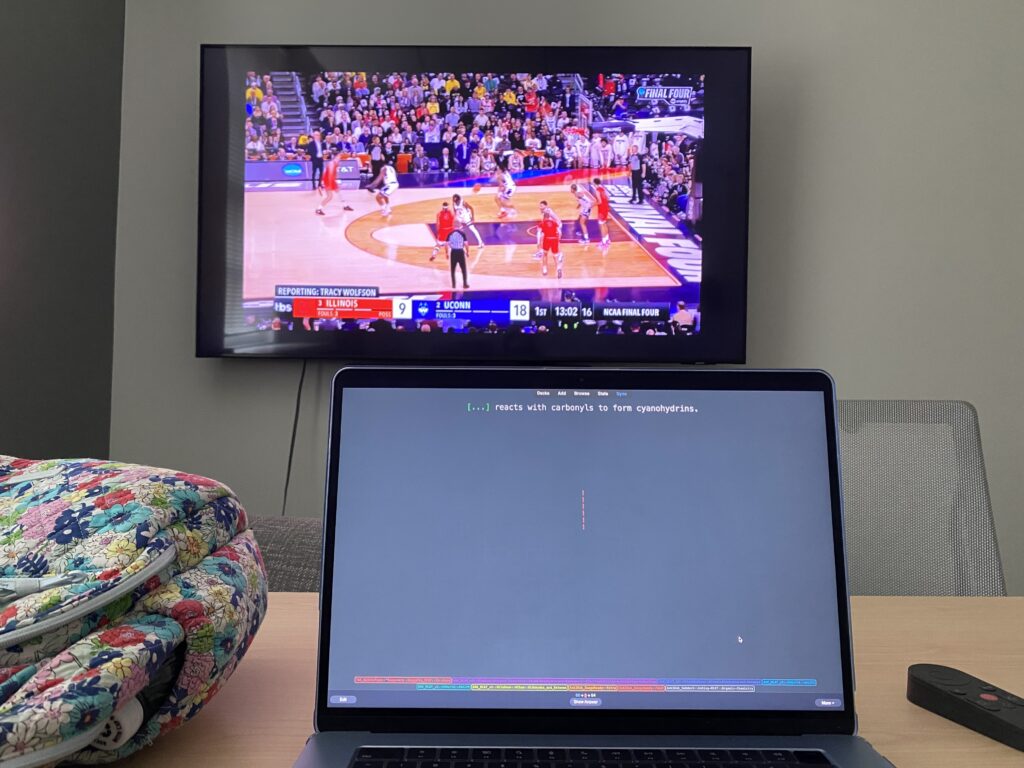
The prerequisite classes at Hopkins are very good at building a strong foundation in these topics. Not only will they give you an in-depth understanding of content, but they’ll also help you develop your critical thinking skills (which are vital for the MCAT). In general biology, my professor even told me that some of our in-class practice questions are MCAT-prep questions. Not every class will be this direct, but the teachers here know that a lot of students are premed, and they want to see us succeed.
Something else important to note is that basic introductory courses are not the only things relevant to the MCAT. For example, my reproductive physiology class has left me feeling completely confident in any reproduction-related topics I’ll encounter on this test. Other classes that have unexpectedly helped me are Animal Behavior, all my neuroscience classes, and my research lab. So, if there’s a class you’re interested in that’s not a requirement, take it!
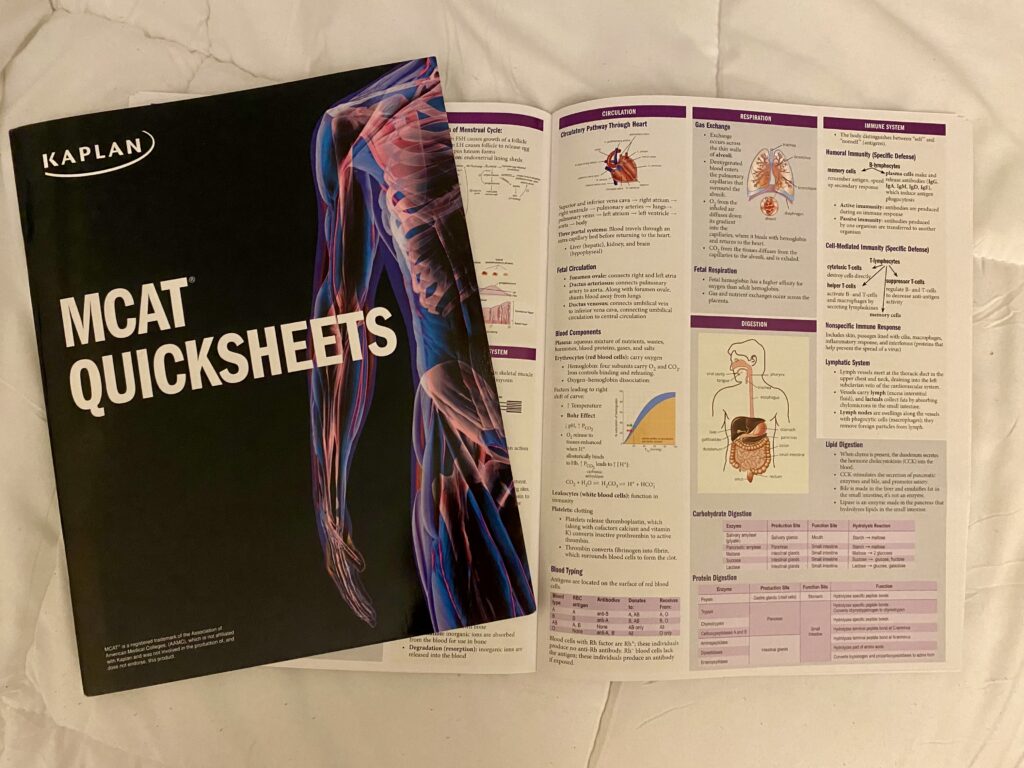
Although classes here are helpful, students still tend to plan for about 3–6 months of prep time before they test. Often, people will schedule an exam over the summer, then push back to January if needed. All my friends have used a mixture of the following resources to study for the MCAT: Kaplan books, Anki, UWorld question bank, Blueprint courses/practice tests, and the AAMC official materials. The AAMC also has a Fee Assistance Program that eligible students can apply for. This reduces the cost of application fees, exam registration, AAMC prep products, and a few other things. These benefits are not retroactive, though! So, make sure you wait until your application is approved to make any purchases.
Registering for the MCAT is also pretty different from registering for the SAT/ACT. In high school, I never gave registration a second thought. For the MCAT, however, seats fill up really fast, especially in highly populated areas like the East Coast. When you login, you’re immediately placed into a random spot online. When it’s your turn, you register. I recommend using multiple devices to ensure you get a good spot in line because the better your spot, the more likely you are to test on your preferred day and time. Students typically register several months in advance, but the Association of AAMC allows scheduling up to 10 days before each test date.
Clinical Experience/Volunteering
Clinical experience and volunteering are vital aspects of your application. Clinical experience is an especially helpful way to ensure you want to be a doctor instead of a nurse, paramedic, physician assistant, anesthesiologist assistant, dentist, optometrist, etc.
I remember hearing that in general a lot of students drop being premed in their first year of college. I took this to mean that classes must be super hard, but it’s not that at all. Everyone I know who switched paths simply found something else they’d prefer to do. A few other routes my friends have taken are committing solely to doing research, becoming a physician assistant, working for biomedical device companies, and going to nursing school. All of these are excellent options, and even if your heart is set on becoming a doctor, you should look into other career paths.

Clinical experience and volunteering sound the same, but they’re a little different. Clinical experience refers to settings in which you’re directly interacting with patients and observing clinical care. This could take the form of a job like an EMT or certain volunteer roles. Volunteering is much broader, including any medical or non-medical service-related activities. This includes things like tutoring or helping out at a food bank. Both of these experiences are important to have.
A similar but slightly different activity you also need to have is shadowing. This is literally just following a doctor around and observing what they do in their day-to-day job. This has been one of the most beneficial experiences for me because every doctor’s job is different.
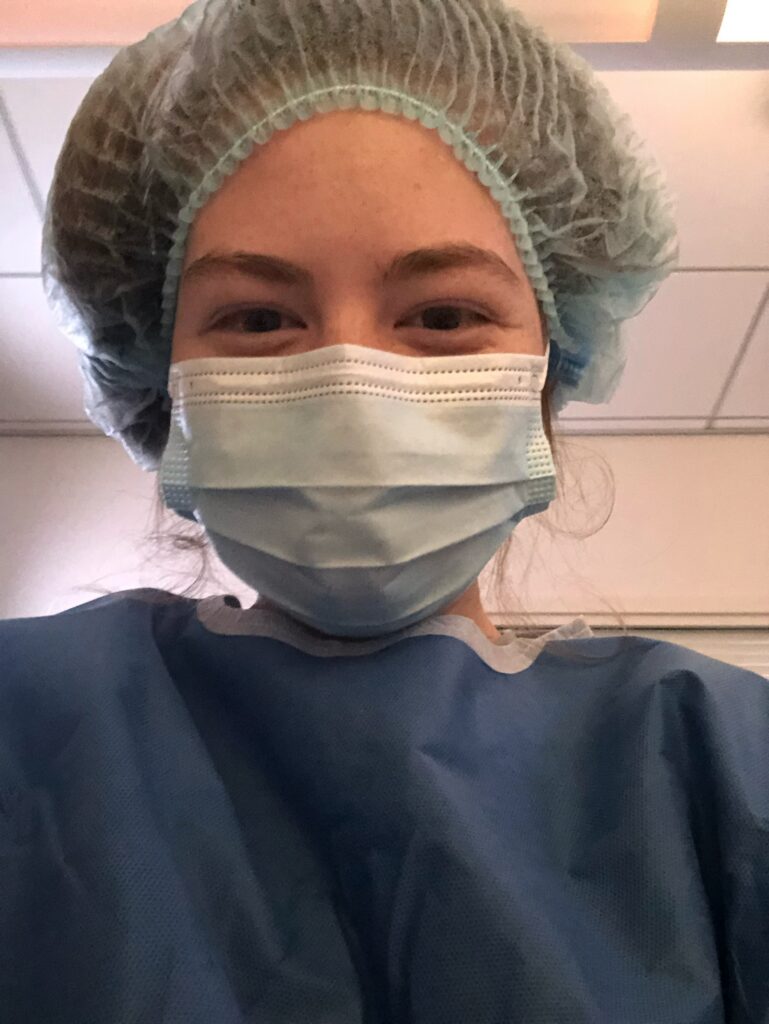
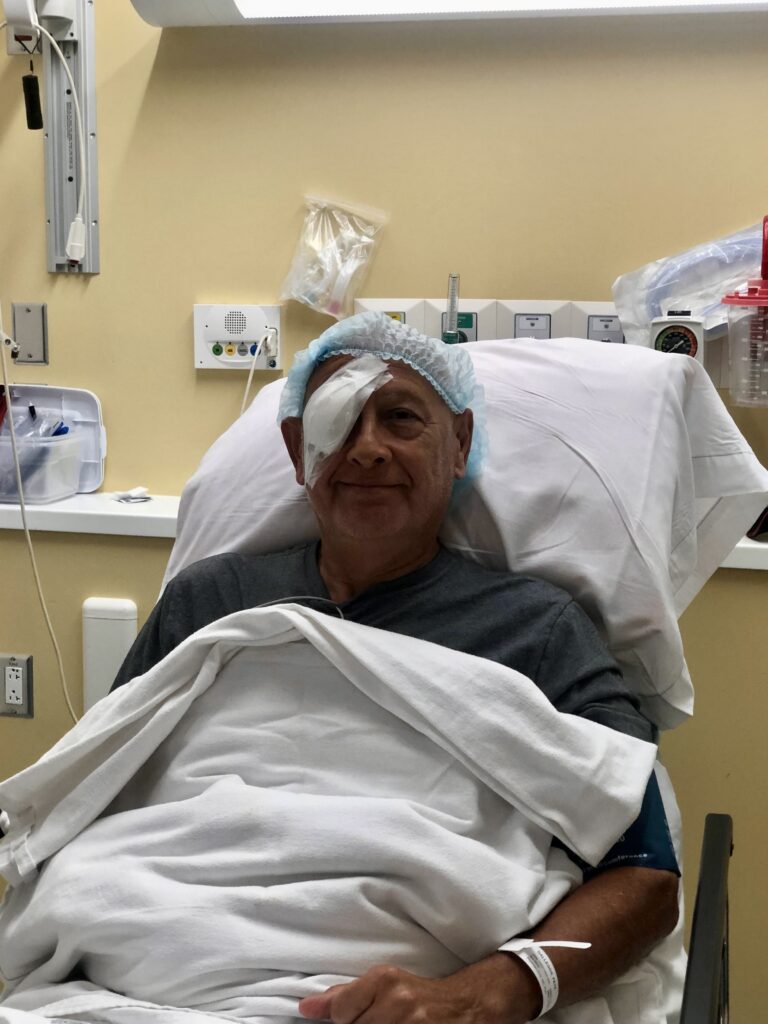
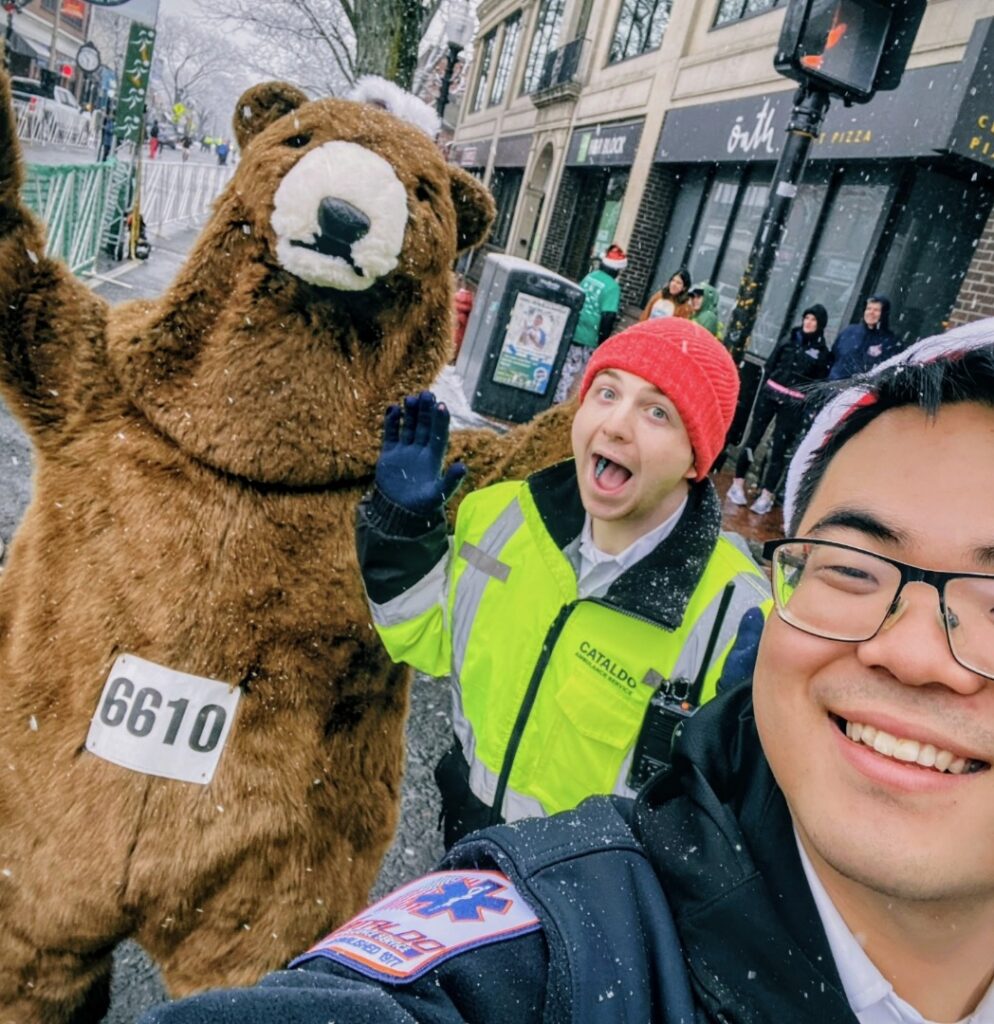
Hopkins is very supportive when it comes to this area. Every premed I know has gotten clinical volunteering experience at the Johns Hopkins Hospital or nearby places like the Mercy Medical Center. Some of my friends taking gap years have also stayed in Baltimore because they found clinical jobs here. If you’re interested in becoming an EMT, the Hopkins Emergency Response Organization (HERO) is an easy way to do that.
Some of the things I’ve done during my time here include volunteering in the pediatric emergency room at the Johns Hopkins Hospital, doing art projects with disabled adults through the club Believe in Art, and tutoring adults getting their GEDs at the YO! Baltimore center. Another really cool part of being premed at Hopkins is that we’re close to the medical school. It’s not uncommon for undergrads to work alongside medical students in research labs, and occasionally clubs at the medical school will expand to include undergrads. This is how I became a member of the club SOOTHE, where we visit the Johns Hopkins Hospital and provide comfort, distraction, and support to patients.

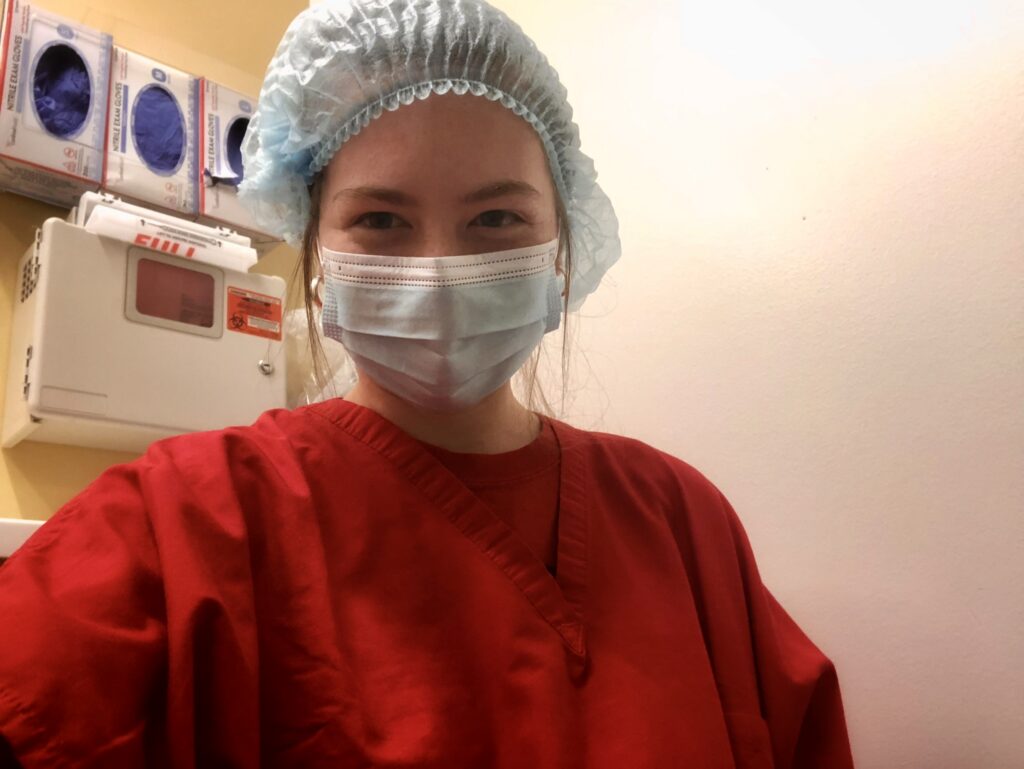
All these experiences helped me land my clinical job back home, working as a patient care assistant in an emergency room. Not only did this allow me to better understand different roles in healthcare and learn more about emergency medicine, but it also gave me insight into the administrative side of things. It inspired me to pursue my master’s in healthcare administration, which is what I’ll be doing after I graduate!
Research
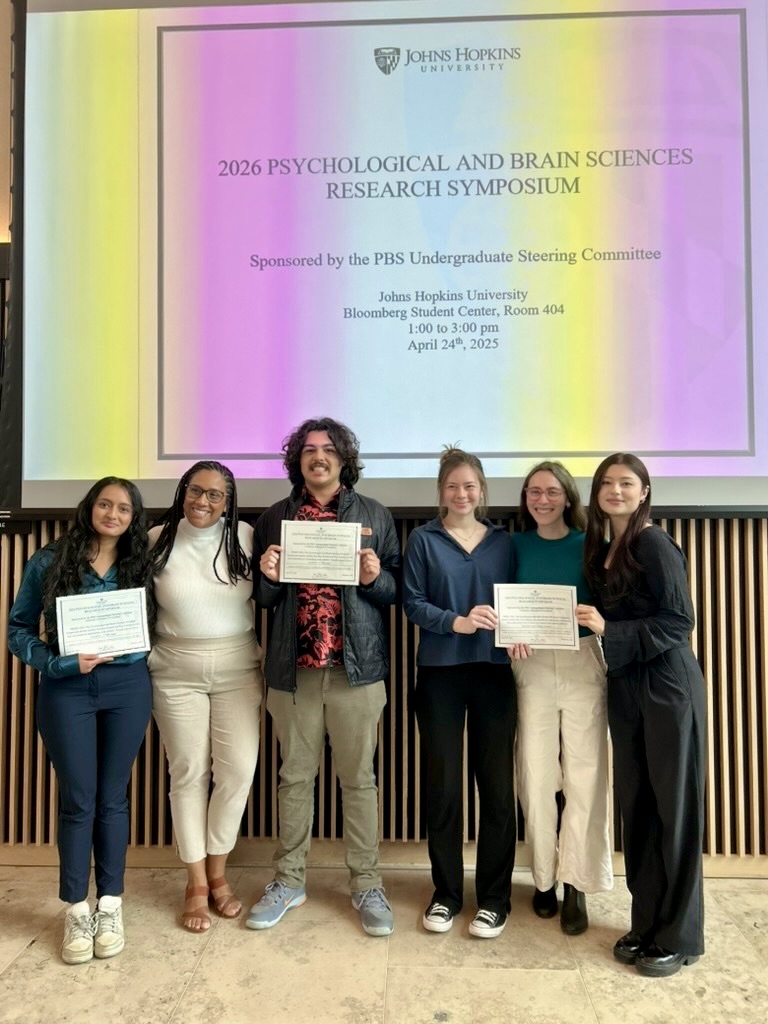
Research is another great way to strengthen your application, and Hopkins is the best place to do it. If an undergrad wants to do research, then they absolutely will. Every single person I’ve met here has gotten some kind of experience in this area. It’s also a requirement for some degrees (like in my neuroscience major).
ForagerOne is a large database that allows students to view current projects and find people to reach out to. Departments also send out specific opportunities. For example, I occasionally get emails from neuroscience staff about projects that need undergrads. One of my neuroscience classes even had contact information built into the syllabus for students looking for a lab.
Since my sophomore year, I’ve been a member of a neuroplasticity and development lab. My American Sign Language teacher told our class they were looking for people, so I applied, met with the PI (principal investigator), and started assisting on some projects. I’ve attended outreach events, helped code/collect data, been to fMRI scans and so much more.
All of my research is done on campus, but a lot of students are also working at the Johns Hopkins Hospital. Many people I know have presented at conferences and gotten their work published.
Hobbies
Just like undergraduate colleges, medical schools want to see well-rounded applicants, so it’s important to have interests outside of medicine. It’s also an easy way to take a break and relax during your busy schedule.
As long as you’re doing something you like, there’s no wrong option when it comes to picking a hobby. If you’re in the market for something new, Hopkins has a ton of clubs. From Latin dancing with íBaila! to fire spinning with the Johns Hopkins Entertainers Club, there’s something here for everybody.
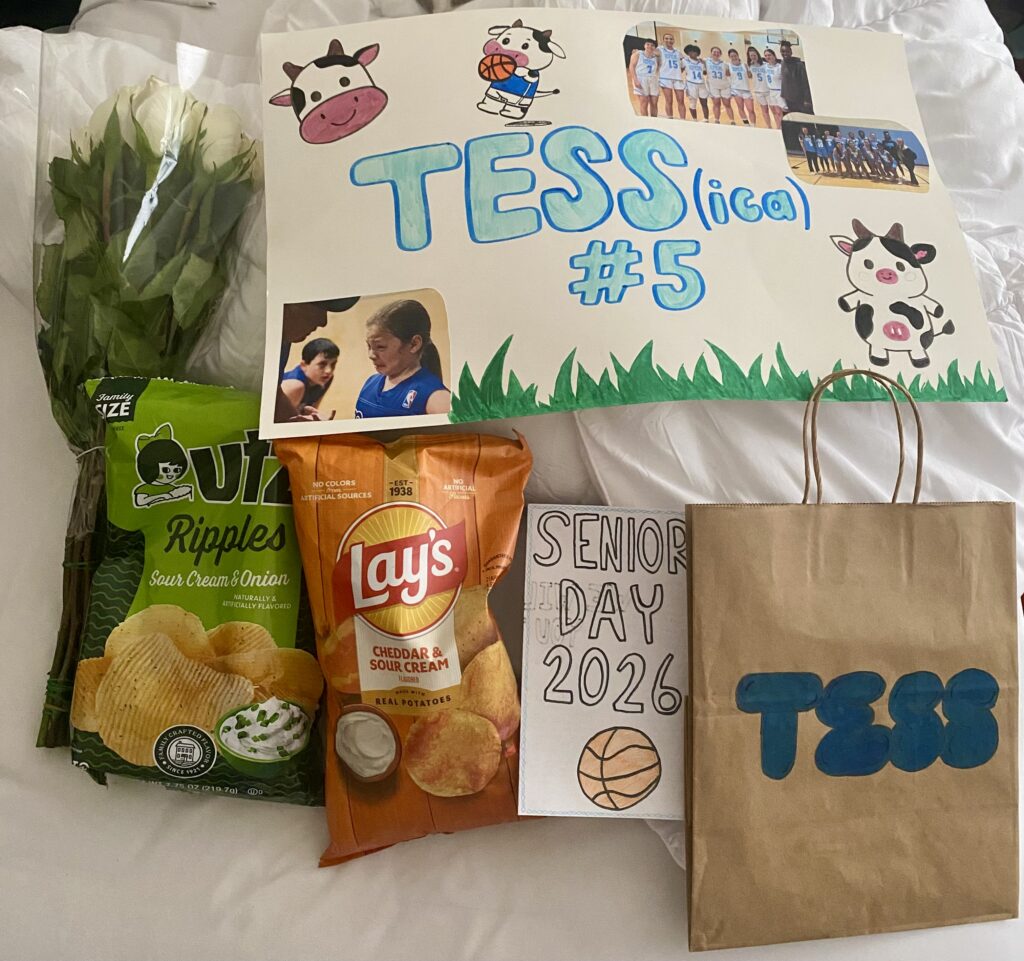
One of my favorites has been playing on the club basketball team. When I’m home, I also coach, referee, and keep scores for youth organizations in my community. Some of the coolest hobbies I’ve heard about during my time here include flying small planeswith a Private Pilot License, ballroom dancing, and selling baked goods.
Support
If you just read my massive list of all things premed and you’re feeling a little overwhelmed, don’t worry. Hopkins has so many different avenues to get support that you’re never alone in this process.
When it comes to classwork, you have both an academic advisor and a major advisor. You also have TAs, office hours, review sessions, study consulting, and free tutoring resources paid for by the university (like PILOT, Learning Den, and Writing Center). Classes can be challenging, but if you take advantage of these resources, they’re completely doable. All my professors have been extremely approachable and kind. They’re passionate about the subjects they’re teaching and truly want us to succeed. With such small class sizes here, they’re easy to get to know. Not only does this make it easier to ask for recommendation letters, but it also makes reaching out for help a breeze.
For anything related to being premed, the Office of Pre-Professional Advising is always ready to help. Whether you’re booking an appointment, dropping in, or sending a quick email, they’ll give you guidance where you need it. In my experience, they’ve consistently provided quick, thorough feedback that addressed all my questions and concerns. They also give personal statement feedback and host sessions that help students build their applications. The Life Design Lab is also a very underrated resource for students going into any industry. They do mock-interviews, headshots, resume building, and so much more.
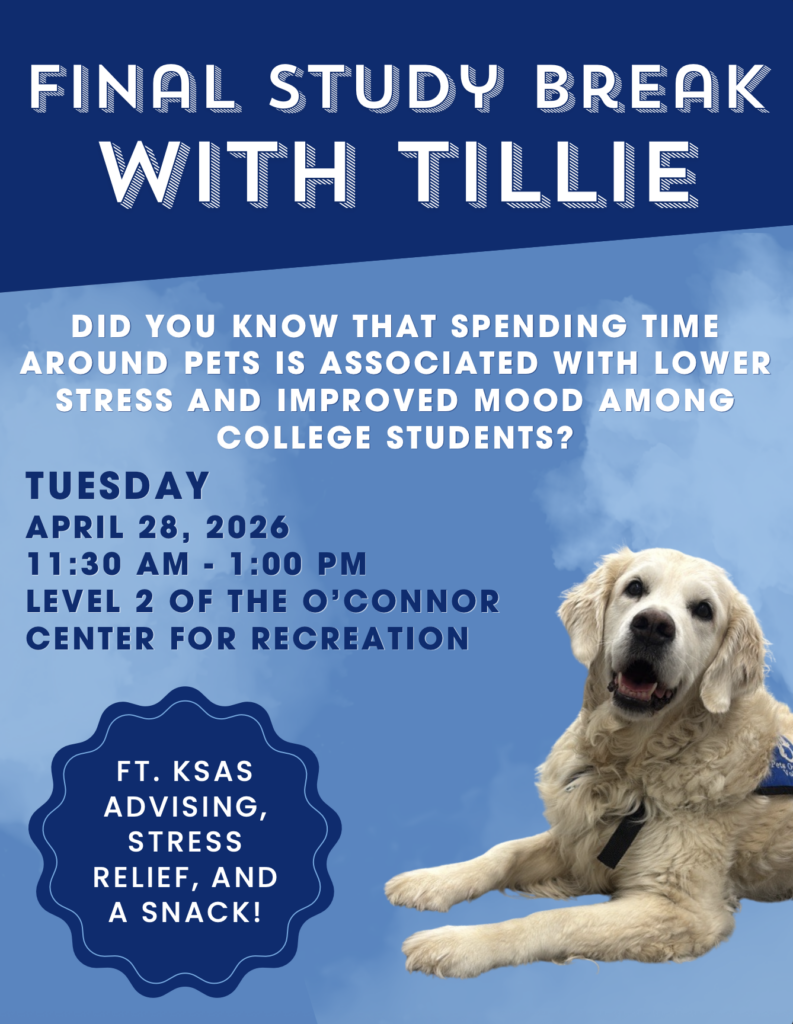
There’s also plenty of resources when it comes to mental health. One of the most popular is A Place to Talk, where students can drop in and discuss anything from daily frustrations to serious concerns. The office of Health Promotion and Wellbeing also hosts Tillie Tuesdays where students can drop by the Rec Center and pet a super cute dog. This office is a great resource for things like relationship coaching, navigating addiction/substance use, motivational interviewing, and so much more.
One last unofficial support resource is other students. Hopkins has a very collaborative atmosphere both inside and outside of class. We study in groups, share notes/review materials, and offer advice whenever we can. Most of our assignments and teachers encourage us to work together. A lot of the information I’ve learned about the premed process has come from the people around me, so don’t hesitate to ask your classmates for help!
Hopkins’ outstanding academics, extensive research opportunities, and robust networks of support make it an exceptional environment for anyone pursuing medicine. I’ve loved every moment of my time here and feel grateful for all the opportunities it has opened for me. Hopefully the premed process here feels a lot more approachable!