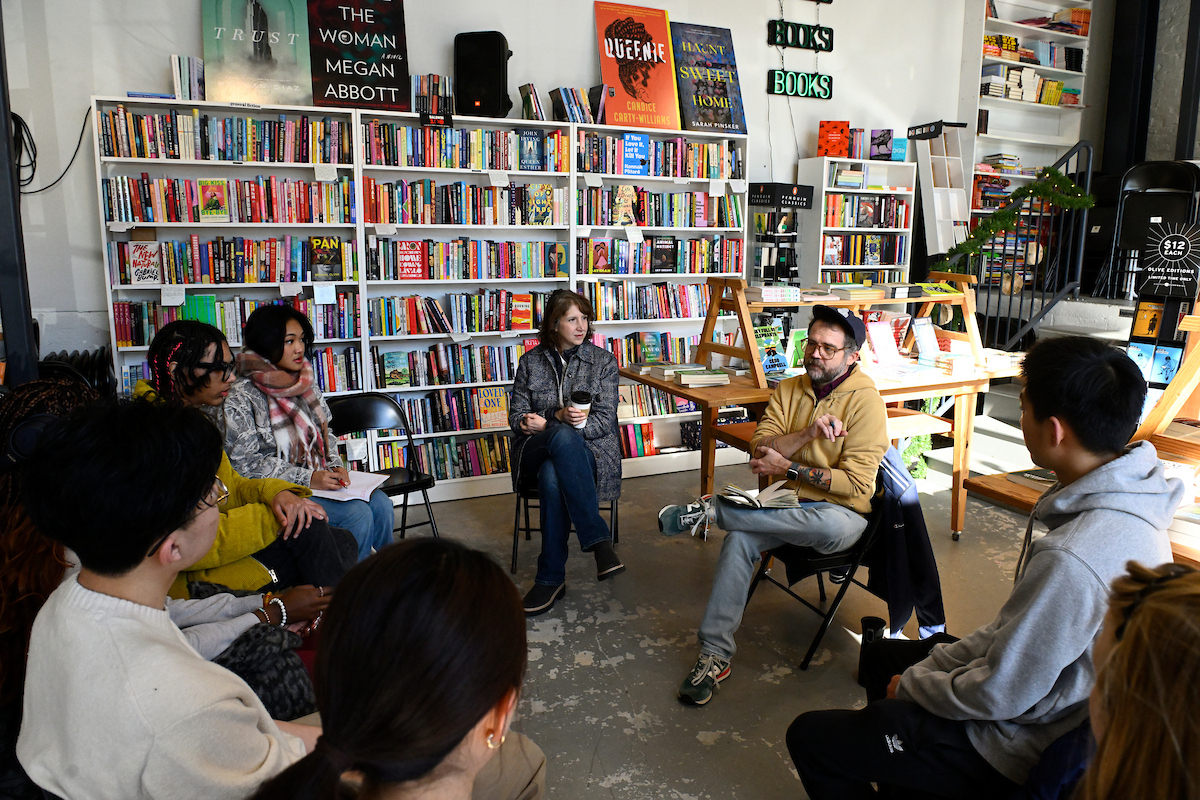
As much as I love my hometown back in Georgia, diversity is not something it was known for. I was one of maybe fifteen kids of color in elementary school; more often than not, one of only two people of color in student leadership groups in high school. I knew for a fact I wanted to go to a school with a more diverse student body. That wasn’t difficult to achieve considering where I grew up, but I wasn’t just looking for a percentage difference; I wanted community.
Having students from different cultures and backgrounds is not the same as embracing your student’s cultures and backgrounds—something I think the organizations at Hopkins do well! Of the organizations I learned about through the fall Student Involvement Fair, I have remained involved with three: Black Women’s Collective (BWC), Blue Jays and Poets, and the Diverse Gender and Sexuality Alliance (DSAGA).
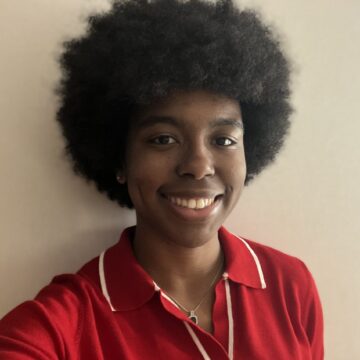
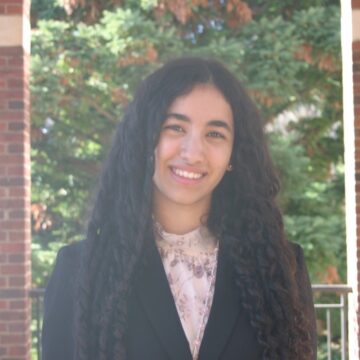
I distinctly remember meeting my mentor Agness, and BWC member T at the Student Involvement Fair. Agness’ curls were poppin’ and I loved T’s septum. Their information board was super cute, and their vibes were friendly and kind. Agness told me all about the Black Women’s Collective’s mentorship program and encouraged me to fill out the form to be matched with a mentor. Later that night, I did just that.
Every mentorship experience is unique. These past two semesters, Agness has been a lot like an older cousin, from late-night calls while she’s cooking to borrowing headphones and accessories, to short talks between rushing to classes. Knowing I have someone I can reach out to whenever I need to has provided a stabilizing comfort.
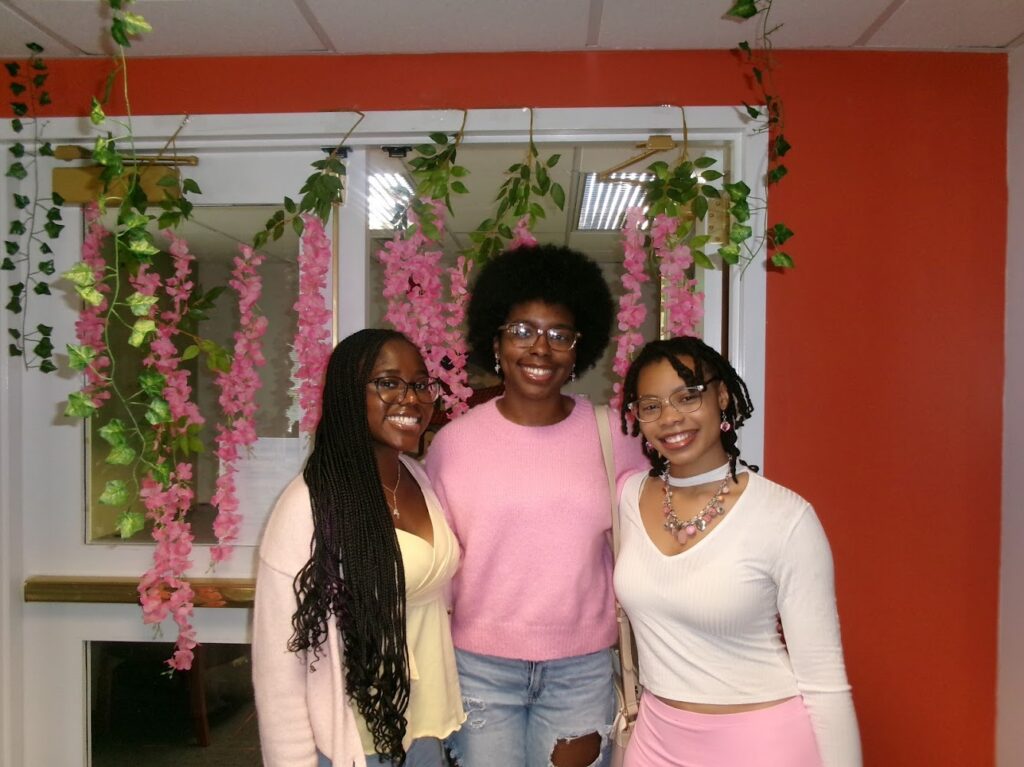
One of my main pieces of advice about your first year, and really every year of college, is if you’re doing something interesting, share it with your friends. Things done in good company are always more fun, which is why I sent out the BWC form to all the people I thought might be interested. A few weeks after filling out the form, I was pleased to see myself and another one of my friends, Atarah, on the same mailing list for the first BWC mentor-mentee meetup.
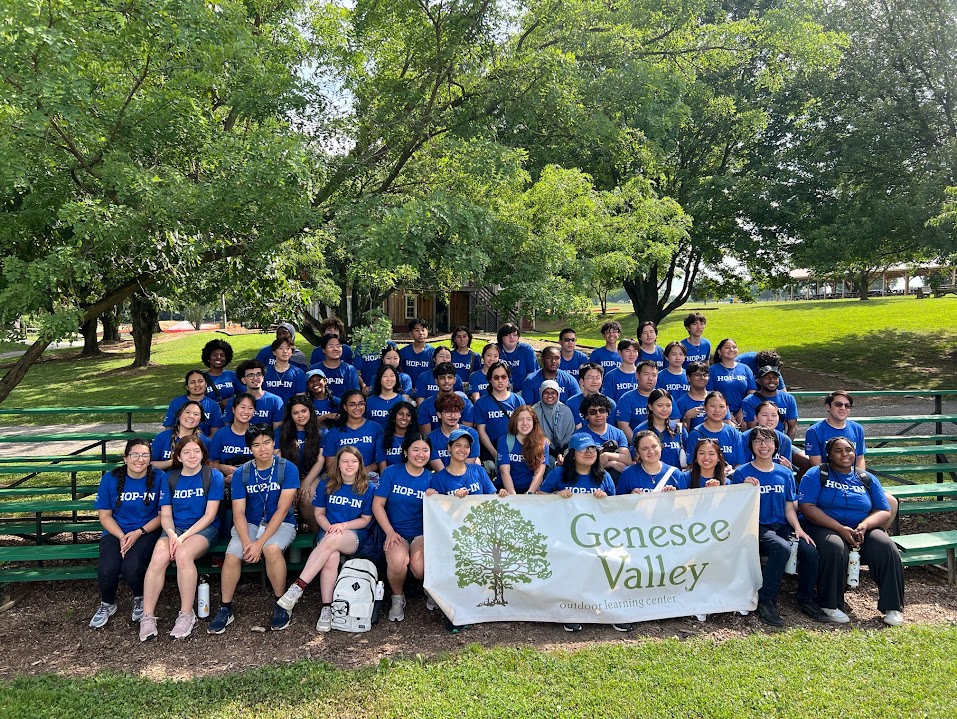
Our first meetup, held at the Center for Diversity and Inclusion (CDI), was full of surprises. In addition to Atarah, who I met during the First-Generation and/or Limited-Income (FLI) Network’s summer program for incoming first-year students, Hop-In, I was shocked to see one of my fellow Kessler Scholars. But the biggest surprise was seeing my biotechnology lab partner from my first year of high school; one of the first people I met who was also from Georgia, and definitely the only one from Jackson County.
That day at the CDI, I had a great time catching up with people I already knew and getting to know other first-years I hadn’t gotten a chance to speak to. I found that we were a really diverse cohort, filled with students from across majors (i.e. Vocal Performance, Public Health, Molecular and Cellular Biology, International Studies) and organizations (Hopkins Basketball Team, FLI Network, DSAGA).
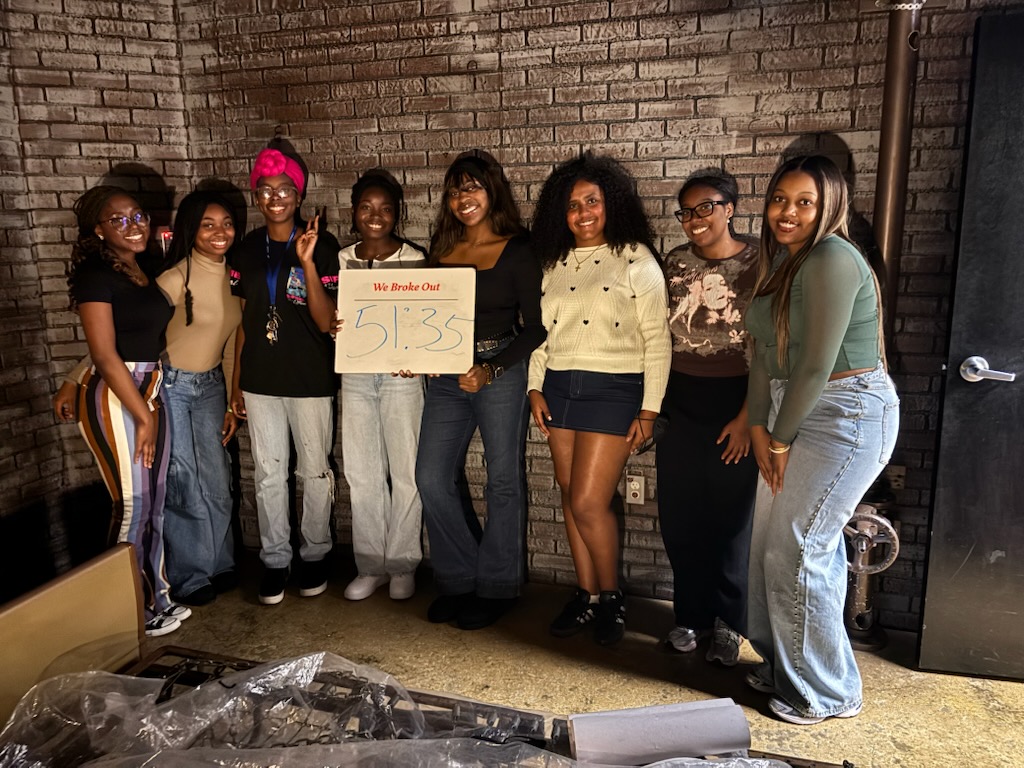
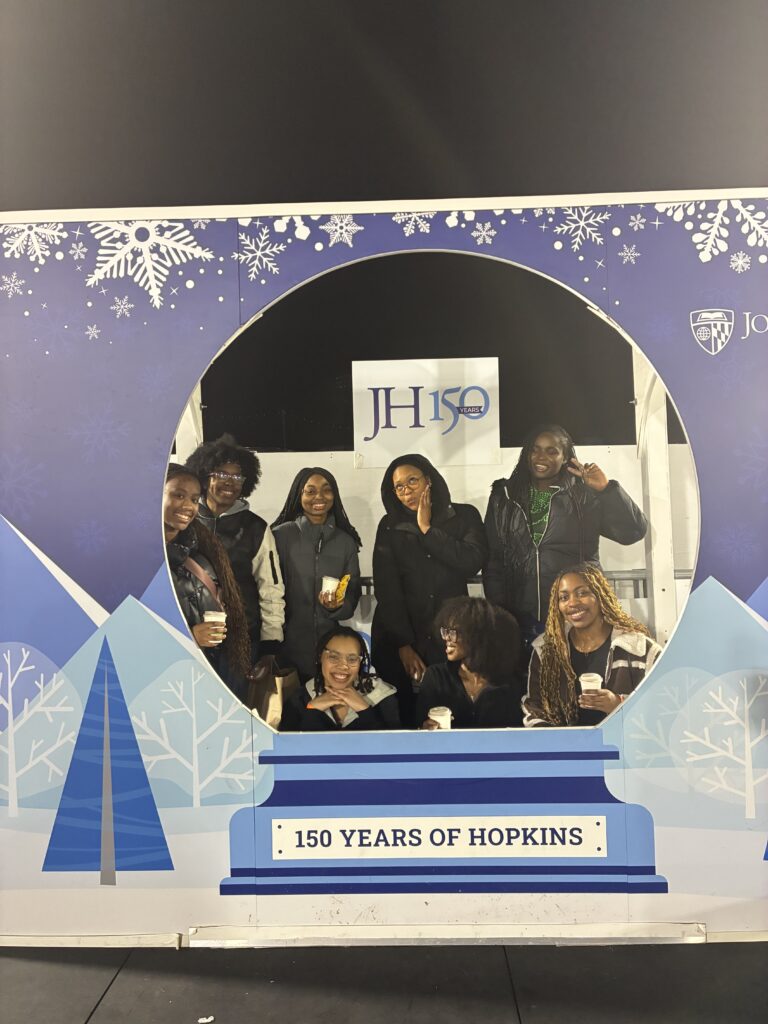
Bonding events over the last few months have provided spaces to decompress and have fun, from our escape room outing last fall to our winter skate to Galentine’s, and, most recently (which I sadly missed), a scavenger hunt across Baltimore. But in addition to all the joy-filled experiences, my involvement in BWC has given me chances to expand my knowledge and perspective, learning about Black experiences across time and the diaspora.
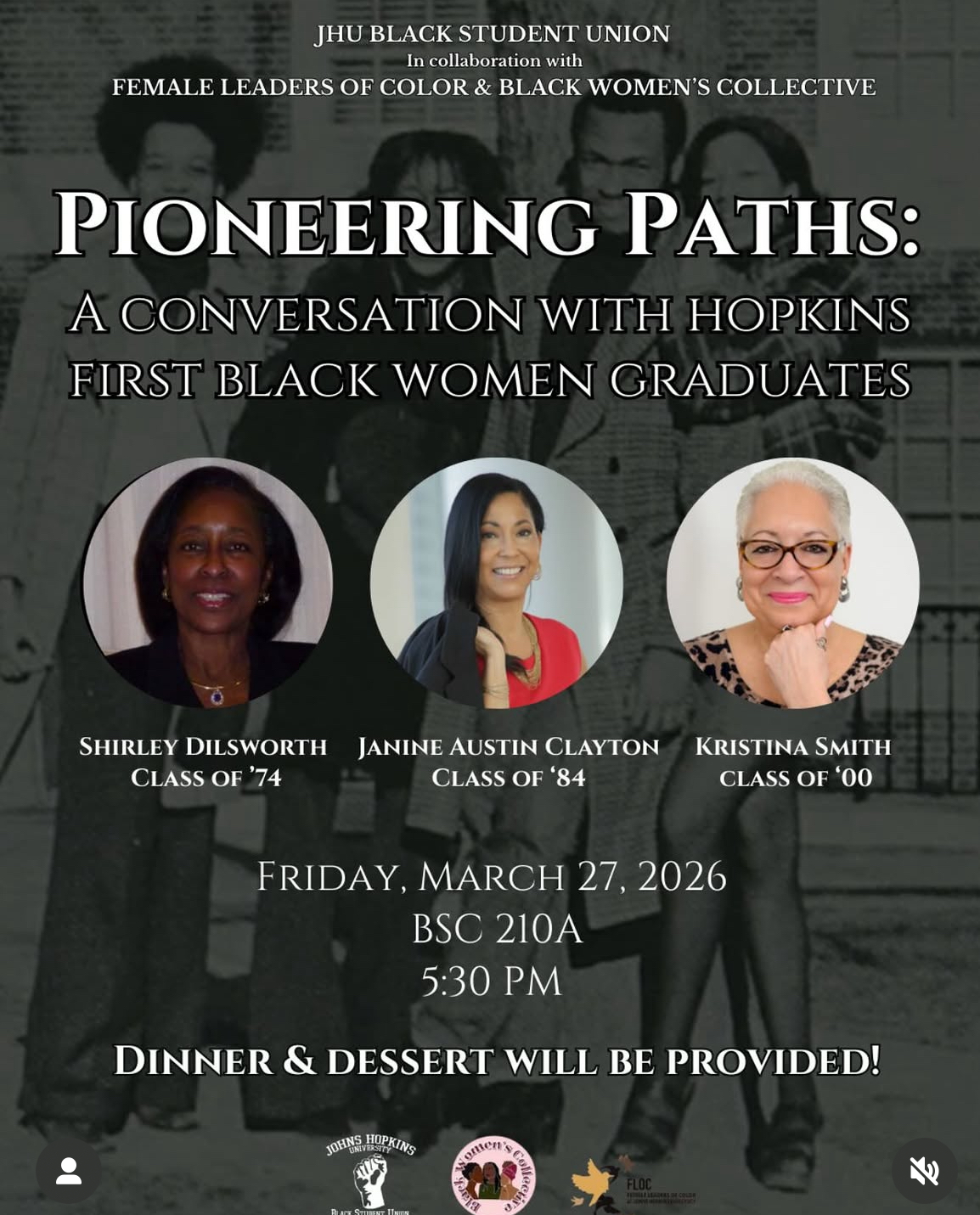
Last semester, during an event with the Black Male Initiative, we had the executive director of the Center for Diversity and Inclusion, Dr. Jasmine L. Blanks-Jones, zoom in to virtually discuss Pan-Africanism, its importance, and how to foster it. We also had a dinner and panel done by Black women, student leaders. Just recently, in partnership with the Black Student Union and the Female Leaders of Color, the Black Women’s Collective invited three of the first Black women to graduate from Hopkins to speak on a panel during Women’s History Month. I appreciated hearing their perspective on their times at Hopkins and in the workforce; and how both of their identities came together to shape, and continue to shape, their experiences.
As the semester comes to a close and I reflect on my first year here at Hopkins, I am thankful to be a part of the Black Women’s Collective.
Moral of the Story:
The Hopkins community is made up of so many groups. Belonging is possible, all you have to do is look.