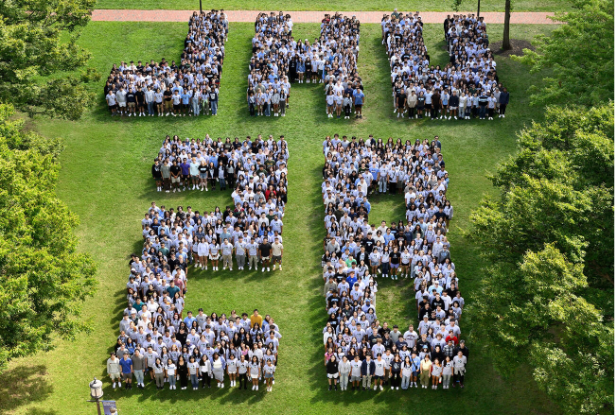
The transition between my first and second years at Hopkins really made me reflect on just how much I had grown. It felt like a period of speed-learning, not just academically but also how to take care of myself and navigate daily life.
Navigating campus
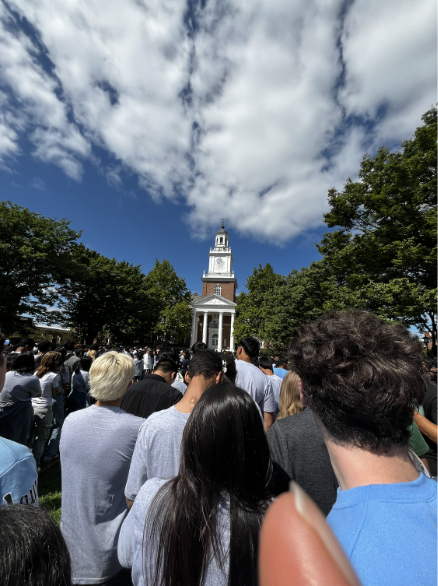
I remember walking onto campus for the first time at the beginning of my first year. It was a bright and sunny day, and I immediately ran into a friend from high school who also goes to Hopkins. Still, navigating Homewood campus was a bit difficult. I remember having Google Maps pulled up but still struggling to find Croft Hall (Croft Hall is a building that has a few research labs and classes for many different majors. For all the incoming first-year students who may be reading this: Croft Hall is right behind Shaffer Hall).
While I like to think I have explored almost every corner of campus, I know there’s still more places to see. Off the top of my head, I have not visited Olin Hall, the Homewood Museum, and some Hopkins campuses outside of Homewood (like Bloomberg Center in DC!). It’s always great to know that while I have come a long way, there is still a lot of room to explore.
being a mentee vs. being a mentor
In my first year, I felt very fortunate to have a lot of great mentors. Whether it was juniors and seniors in clubs, my First-Year Mentor, my Resident Advisor (RA) or faculty mentors, I always felt supported in every aspect of life and work. In my first year at Hopkins, my RA would check in on me regularly, not just through our required Blue Jay Conversations (a program in which RAs have in-depth conversations with all residents on their floor) but also on random days throughout the semester. In my second year, I still had this strong support system but also moved into mentor roles myself. I became a teaching assistant and First-Year Mentor. For the first time, I realized what it was like to be in a role where you can make someone else’s time at Hopkins just a little bit easier and more welcoming, the same way others had done for me.
food on campus
In my first year, I practically ate all my meals at Hopkins Café. It was great sitting with friends and enjoying an all-you-care-to-eat dining hall. In my second year, I tried cooking for myself for the first time. I now have a kitchenette that I share with one other suitemate. While I’m no expert, I still am able to fix up a few meals and snacks for myself. My go-to meals are stir-fried vegetables, fruit bowls, and making my own matcha. I haven’t abandoned the dining halls though. I make it a point to schedule recurring meals with my friends so we can hang out and keep up with each other’s lives even in the midst of a busy semester.
trying new experiences
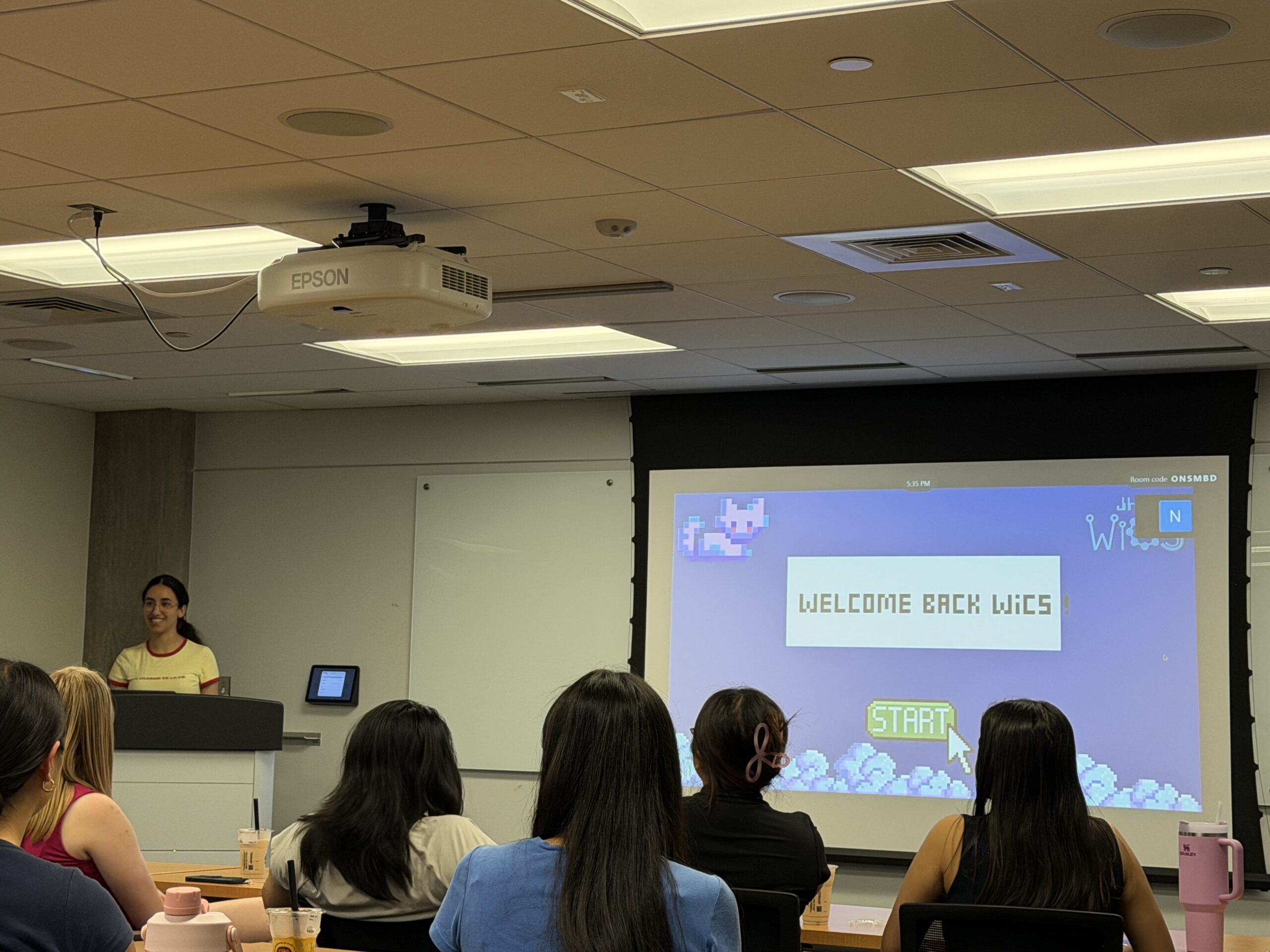
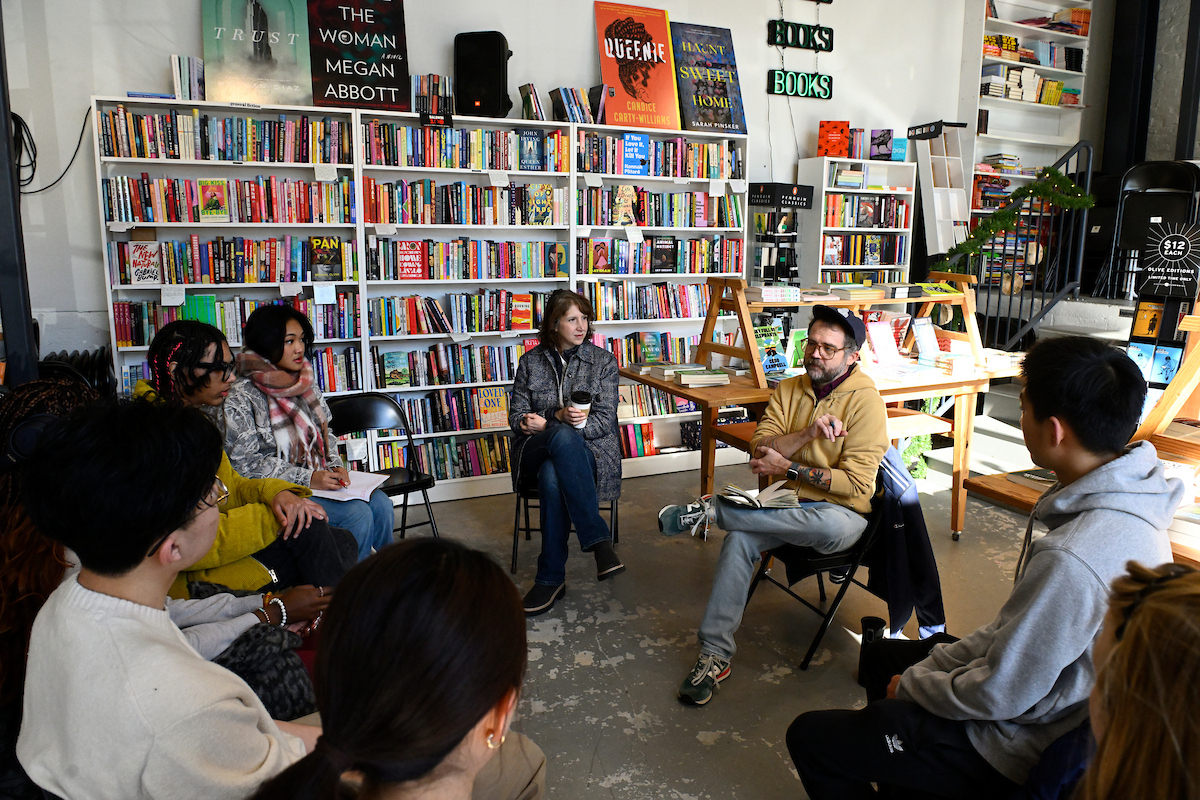
Now that I’ve talked about the contrasts between my first and second year at Hopkins, I think I’ll bring up one thing that has stayed consistent: I’m still saying yes to a lot of new experiences. In your first year at college, you will inevitably face a myriad of new experiences. I wanted to make sure that continued into my second year at Hopkins and beyond. In my first year, I became very actively involved in academic clubs like HopAI, WiCS (Women in Computer Science) and other clubs. I have continued to stay involved with these clubs in my second year, but I’ve also branched out to explore my other interests. For instance, I started going to more Tea Club events and attending more economics-based talks through the Reality Roundtable Seminar. These experiences have helped me grow in ways I didn’t expect. I have discovered more interests in and outside of academics.
Your first year at college is transformative in ways that are hard to prepare for, but I’ve realized that growth doesn’t stop there. In fact, your second year gives you the chance to build on everything you’ve learned and continue exploring new opportunities.