Group projects in high school had a rhythm for them. Your teacher would announce the assignment, divide you into groups, and then give you class time to work on it together. You’d push desks together, divvy up tasks, and knock out chunks of the project right there in the classroom. You were all in the same room, accountable to each other in real time.
College group projects are a completely different beast.
The first thing I noticed about group projects at Hopkins is that you’re never given class time to work on them. The professor assigns the project, maybe suggests some groups or lets you form your own, and then… you’re on your own. It’s up to you and your groupmates to find time outside of class to coordinate, meet, and actually get the work done.
This shift puts a lot more individual responsibility on everyone. In high school, even if you worked on separate parts during class time, you were still physically together and could check in easily. In college, you must be proactive about scheduling meetings, communicating progress, and making sure everyone is pulling their weight.
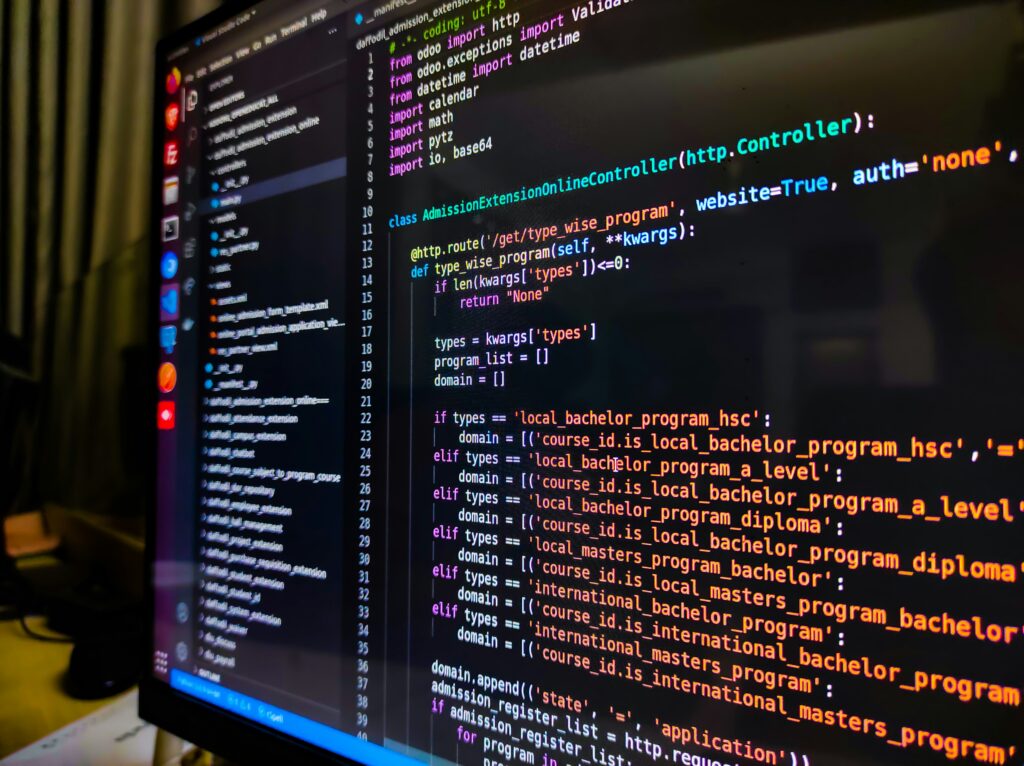
Something that professors cannot emphasis enough is “version control is everything.” When you’re working on code with multiple people, you need to be incredibly careful about how and when you make changes to shared files.
The nightmare scenario goes like this: you make a change to a file and push (save) it to the shared repository (the folder the newly modified file will go). At the exact same time, your groupmate makes a different change to the same file and pushes theirs. Now you have a merger conflict, meaning two different versions of the same file have been created. Or worse—you accidentally add a change that creates a bug in code your groupmate wrote, and nobody catches it until you’re debugging the night before it’s due.
Constant communication is essential. You need to let your groupmates know when you’re about to push changes to a file. You need to pull (update the file on your end to the latest version) before you start working, so you’re not coding on an outdated version. Trust me, spending five seconds sending a quick message to your group chat saves hours of headaches later. And if something does go wrong and you need to revert to a previous version, having clean version control practices makes that process so much smoother.
Another thing I’ve learned is that professors genuinely want to help you succeed, and they understand that sometimes not every group member will contribute equally. That’s why Computer Science (CS) professors at Hopkins expect you to carefully document who did what. They want to see individual contributions clearly laid out so they can grade accordingly. Even your pushes and pulls are analyzed.
If someone isn’t pulling their weight, professors want to know. They don’t want people who are doing the work to be dragged down by those who aren’t. So, keep track of your tasks, document your completed tasks, and don’t be afraid to communicate with your professor if there’s a problem. It’s important to make sure your grades reflect your actual effort and contribution.
Probably the most valuable lesson I’ve learned from CS group projects: work ahead whenever possible. When you finish your assigned tasks early, you unlock so many advantages. You can help your groupmates with their portions if they’re struggling, start debugging your own code without the pressure of a looming deadline, and if you write your code first, your groupmates must write theirs to interact nicely with yours, rather than the other way around.
Working ahead also gives you breathing room. If something unexpected comes up like another exam, a different assignment, or just life, you’re not scrambling to catch up on the group project while also dealing with everything else.
CS group projects are a pretty accurate preview of what working in tech looks like. In an internship or a job, the responsibility of completing a project falls entirely on you and your team. There’s no teacher to help keep you on track and no designated class time to work together. You have to manage your individual tasks, coordinate with your teammates, and make sure everything integrates smoothly.
The lack of structured time in college group projects forces you to develop crucial professional skills: proactive communication, time management, accountability, and collaborative problem-solving. The daily communication outside of class—checking in on progress, coordinating version control, helping each other debug—mirrors exactly what happens in a professional development team.
Do CS group projects have a lot of moving parts? Sure, sometimes. But they’re also some of the most valuable learning experiences you’ll have in college, not just for the technical skills but for the collaboration and communication skills you’ll need in any career.
My advice? Communicate early and often, master version control, document everything, work ahead when you can. And remember: your groupmates are managing their parts of the project just as you are, so extend some grace while also holding everyone accountable.
After all, if you can successfully navigate a CS group project at Hopkins, you can handle just about anything the professional world throws at you.