When I came to Hopkins, I was excited to learn about neuroscience, take unique classes outside of my major, and get involved in extracurriculars. What I didn’t realize, however, was I’d get to do all of that and more! Since enrolling, I’ve gained soft skills that will prepare me for life after I graduate. So, here are some of the most valuable ones!
Interpersonal & Relationship
Since the classes here are small, it’s been easy for me to get to know some of my professors and lab mentors. Especially during office hours, I’ve been able to ask for feedback and accept critiques on my work. Writing classes are a great way to get used to both giving and receiving constructive feedback on assignments, especially through peer editing. We also have one-on-one meetings with the teacher to discuss our work. It’s definitely a little nerve-wracking the first time, but now it’s a breeze.
As a TA, I’ve also gotten a glimpse into what it feels like to grade papers, manage a classroom, and stay professional while still connecting with my students. For the first time in my life, I noticed students feeling anxious about asking me questions or apologizing for needing help. It felt really weird because I’m a student just like they are. So, this was a valuable opportunity for me to establish a relaxed dynamic where everyone feels comfortable asking questions and voicing their opinions.
Email & Office
In high school, I would send emails occasionally, but it wasn’t very often. In college, communication is a lot more consistent and professional. I’ve learned to write succinct, polite emails that get straight to the point. I’ve also gotten used to following up on things. For example, when I was expressing interest to my lab PI about joining her lab, I had to follow up multiple times before I got a response. I felt like a bother, not realizing that people just get really busy. Now I’ve realized that it’s totally normal to follow up on things. I’ve also gotten used to scheduling meetings, CC-ing people, and maintaining professionalism.
Communication & Writing
Speaking of maintaining professionalism through email, I’ve learned to write for specific audiences. Scientific writing is very matter-of-fact and can contain a lot of jargon. Neuroscience majors are required to take a course called Scientific Communication and Mentoring where we learn how to explain our research in simple, everyday terms. This is a really underrated skill because I didn’t realize how much of a challenge it would be until I tried it. I’ve also gotten a lot of practice by attending outreach events for my lab where I’ve had to explain things to children and adults.
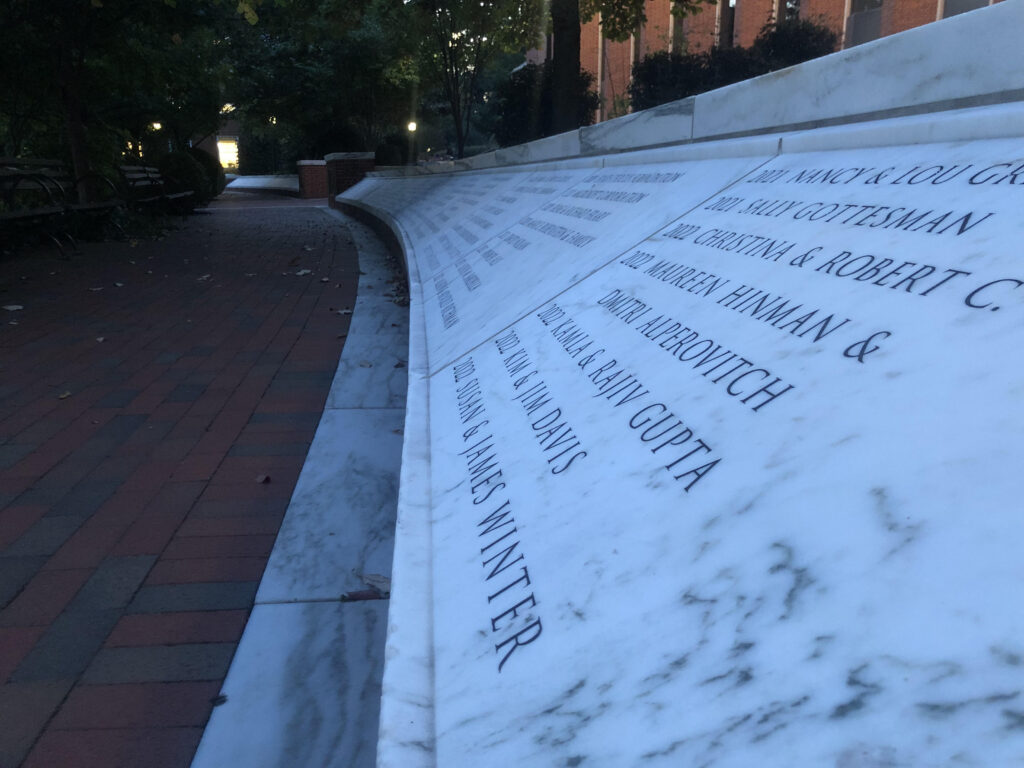
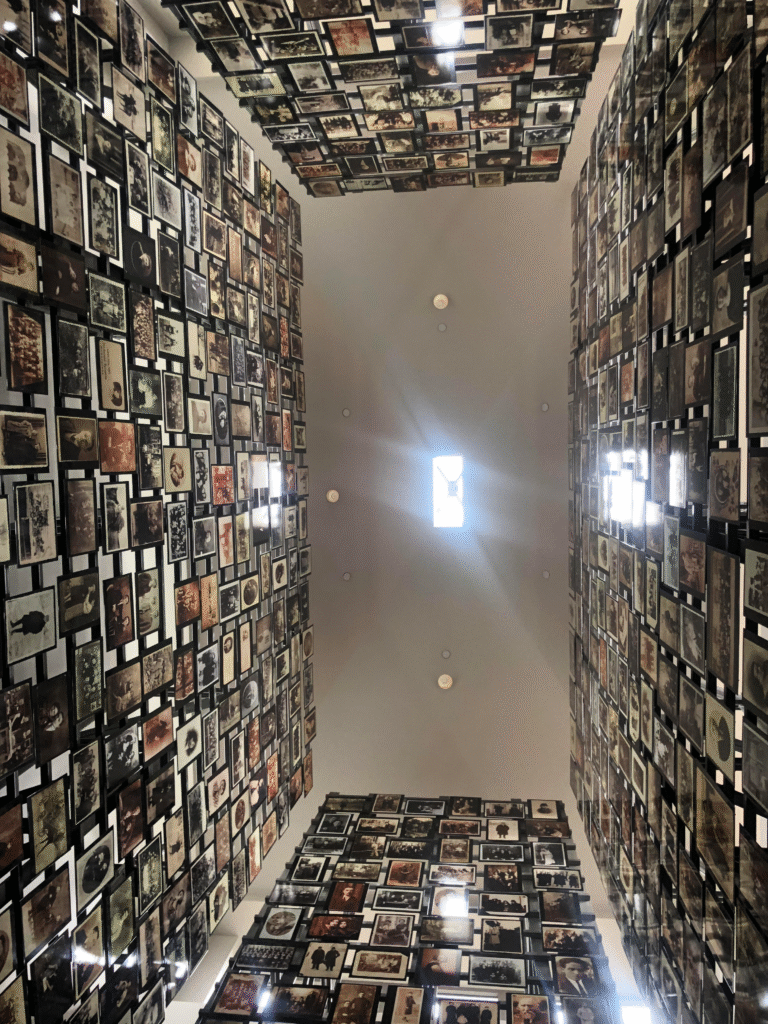
The writing classes here are another great way to learn how to communicate with different audiences. My favorite has been The Future of Holocaust Memory. In it, we wrote three big papers, but each was for a different audience. These were some of the hardest essays I’ve had to write but also the most rewarding. The teacher gave extremely helpful feedback, and I felt like I grew a lot as a writer. It was very different from my high school classes but in the best way possible.
Visual Communication & Creativity
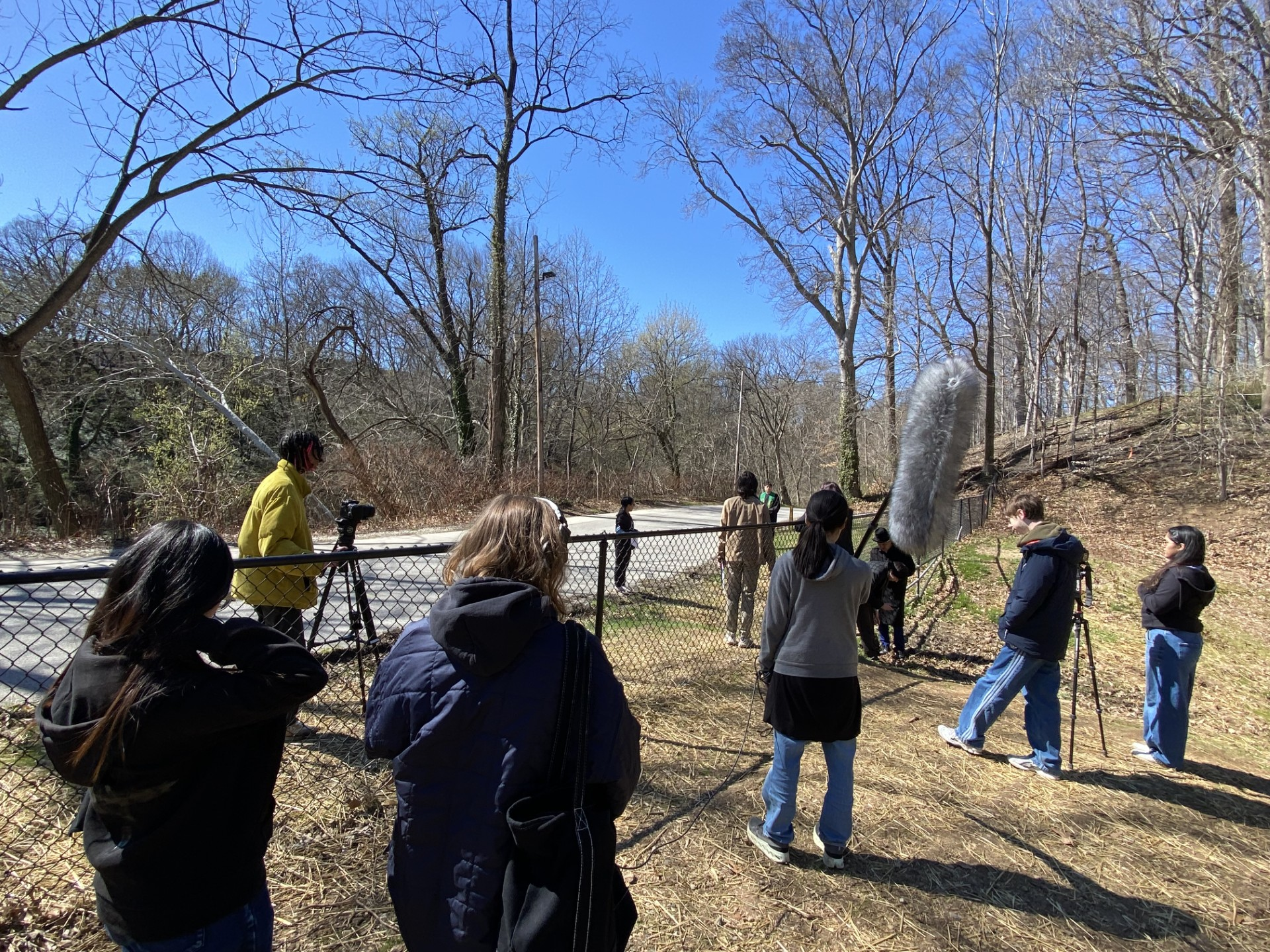
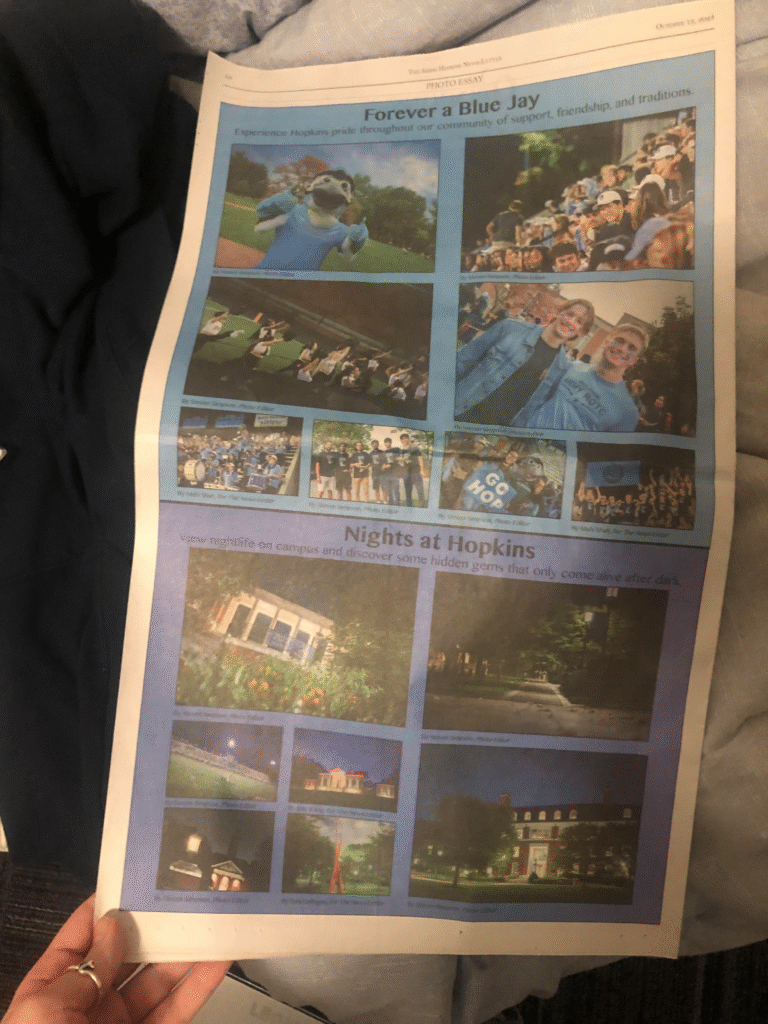
Of course, communication includes a lot more than writing; it can also mean photography! Becoming involved in The Johns Hopkins News-Letter allowed me to learn some of the basics when it comes to taking pictures and using a camera. Just like with writing, pictures should convey a specific meaning or relate to a certain theme. In our meetings, we also got to see how the editor selected pictures to publish and what he was looking for, which was really informative. Students also develop visual communication skills through social media posts and flyers for different clubs. I’ve seen a lot of my friends spend time arranging their graphics and asking for my opinion. They choose their visuals intentionally and put a lot of thought into who their audience is. This is definitely an underrated skill to have.
Asking for Recommendation Letters
In high school, I remember being worried about asking people to write recommendation letters for me. I didn’t know how to phrase the question, and it just felt like a weird thing to ask for. Now, I’ve gotten much more used to it and am a lot better at it. Everyone I’ve approached for a letter here has been extremely receptive and kind. My teachers have even reminded me that they were once asking for letters too, and it’s not something to feel awkward about.
The biggest thing I’ve learned here is to give the recommender some guidance. I’ve been able to ask professionally, provide ample time to write, and attach helpful materials like my resume or an explanation of why I feel a letter from them would strengthen my application. I’ve realized things are smoother for everyone when you make the process easier for the writer.
Professional Confidence
Now that I’ve gotten practice, I feel a lot more comfortable meeting new people, introducing myself, and explaining my goals. Especially when it comes to applying for things, I’ve learned that confidence is not the same as arrogance and it’s important not to undersell yourself. At the same time, I’ve also realized that asking questions and admitting when you don’t know something is equally important.
On my first day of TAing biology lab, I remember asking another TA what I should do if someone asks me a question and I don’t know the answer. It was my biggest fear. He just laughed and said, “You tell them you’ll ask somebody and get back to them.” Looking back, I really don’t know why I was so worried because everyone encounters this situation and we have a whole team of TAs for that reason. I’ve learned that leadership is about navigating things as a team rather than having all the answers.
All of these are skills I didn’t even realize I was developing during my time here. It’s easy to get wrapped up in classes and forget that college is also preparation to enter the workforce. It’s only when I reflect on the past four years that I realize just how much I’ve grown since arriving in Baltimore. Ultimately, Hopkins has helped me develop the interpersonal, communication, and professional abilities that will prepare me for life after graduation.