When I think of the word “community” at Hopkins, the people who come to mind are at least six years younger than me. Let me explain.
That isn’t to say Hopkins is a campus full of Young Sheldon-like individuals. (Although, I did hear once that there was a middle schooler taking one of the upper-level mathematics courses.) Rather, the communities that have been most formative to my time at Hopkins so far have been fostered through unique opportunities in education, which take college students as near-peer tutors and put them in elementary or middle school classrooms.
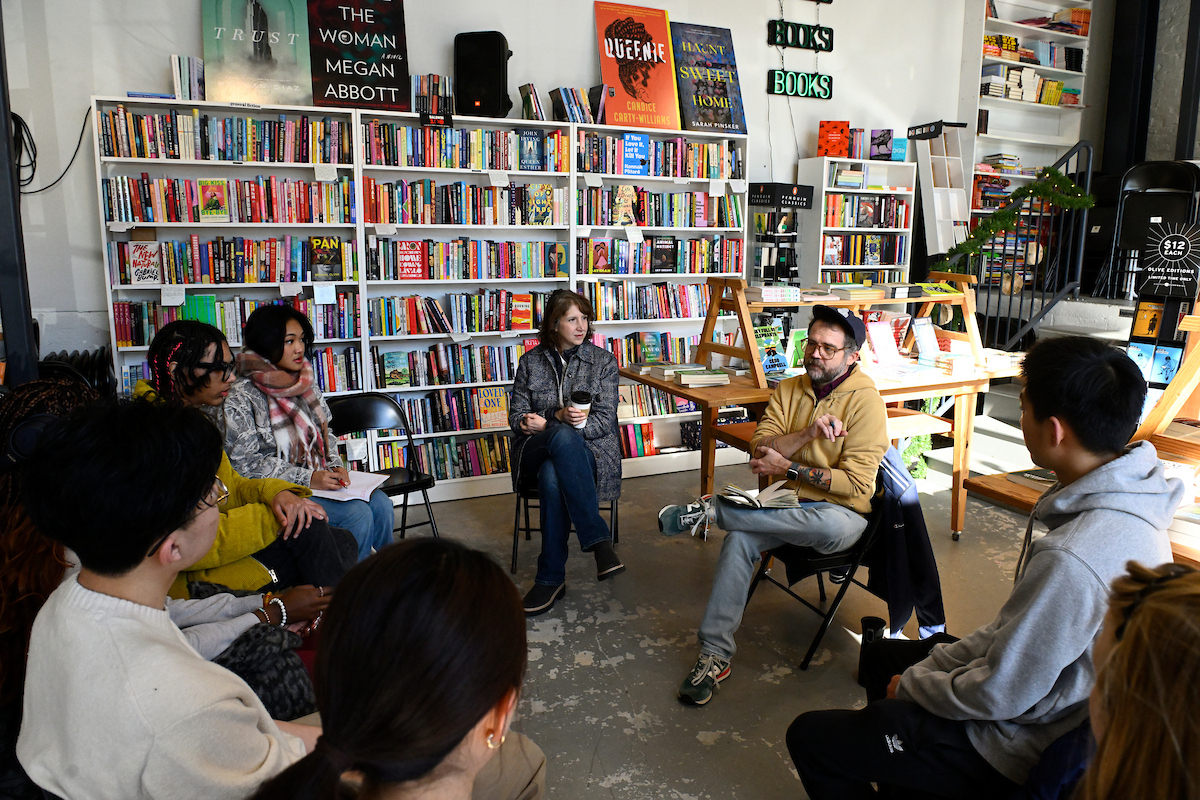
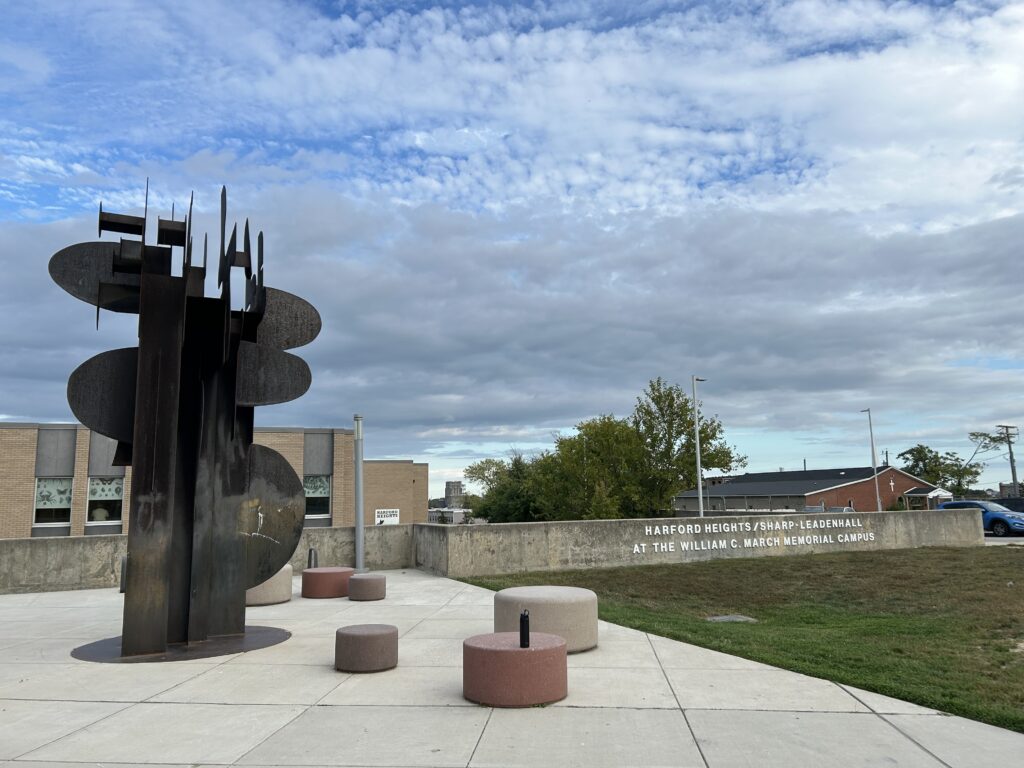
The Writing Seminars department at Hopkins has a handful of Community-Based Learning courses, and this year I was privileged to be a part of the Teaching Fellows Program (TFP) cohort. Partnering with Writers in Baltimore Schools (WBS), TFP is a year-long sequence of two classes—Teaching Creative Writing in Baltimore Schools, then Undergraduate Teaching Fellowship—that trains Hopkins students to become Teaching Fellows in Baltimore City public schools, co-teaching sections of creative writing clubs.
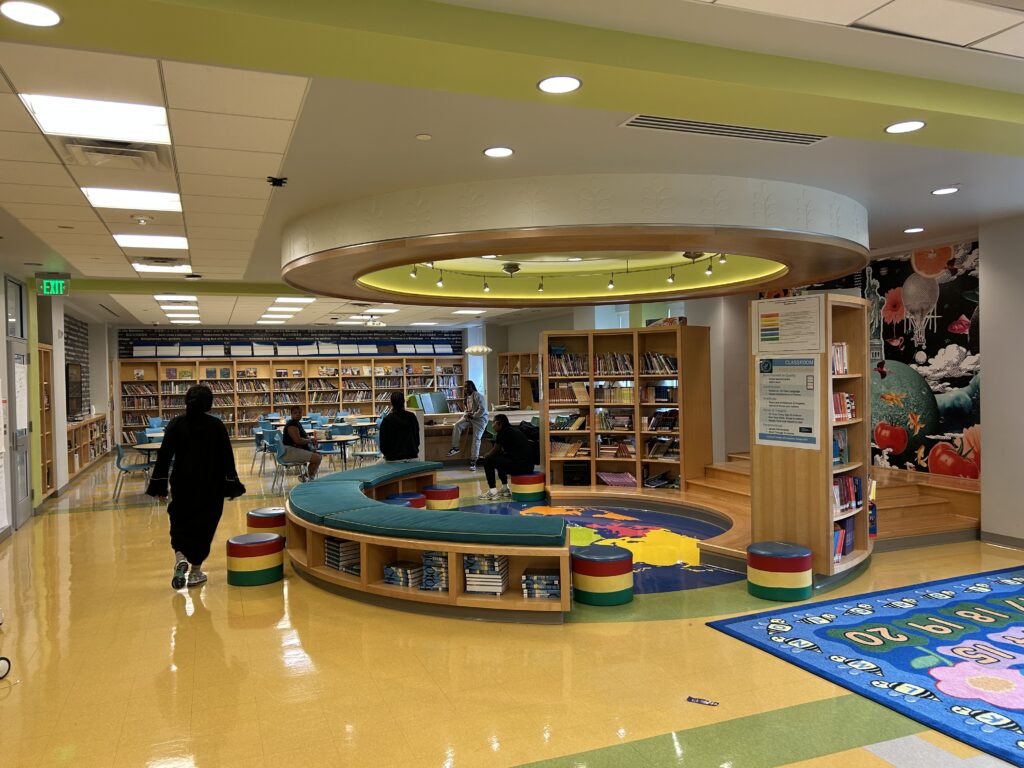
As any teacher will tell you, the first lesson in pedagogy is that nothing will go 100 percent as planned. After weeks of studying the fundamentals of pedagogy in class, my teaching partner and I walked into our first day at the elementary school with a lesson plan that incorporated scaffolding, culturally responsive elements, group bonding techniques—all of which dissolved as we realized they had a larger group of many older (and some younger) students than we had anticipated. Even if we pivoted and turned what was supposed to be a five-minute writing warmup into the entire lesson, we still left managing to lay the foundation of a community. When I worked one-on-one with a student, who was detached from the rest of the group, he said he didn’t want to write anything on what he would do if he were principal for the day. After I asked him about his favorite foods—Chinese noodles, he said—I coaxed him into making a full, week-long menu, pictures included. The next week, as we met them in the cafeteria to lead them to the library, he hollered, “Riley!” and gave me a knee-high hug.
With the beginning of a new semester, working with my new class schedule, I was moved to a different school with older students: seventh graders. As I’m writing this, we recently had our final club meeting, an open mic reading of stories and poems from the semester complete with sparkling apple cider, baked sweets, and my friend’s borrowed JoJo Siwa microphone. As a gift from WBS, Teaching Fellows are able to select books to buy their students after getting to know them throughout their time together. I hand-picked my favorite books I remember reading when I was their age, then handwrote notes of appreciation to slip inside the title pages of each student’s newly owned novel. I won’t write much else because, in their new age of internet exploration, my students discovered my LinkedIn and even some of my articles for “The Johns Hopkins News-Letter,” much to my embarrassment. If they find this, too, then they can consider this an Easter egg, plus an affirmation that they mean to me as much as I hope I meant to them.
Of course, there are ways in which Hopkins has been instrumental in forging my same-age communities. Through the Hodson Scholars pre-orientation, I met my group of closest friends, with whom I lived this year and have eaten most of my meals with since; as a result, I’m always quick to recommend any of Hopkins’ pre-orientation programs, as you never know who you may meet. However, when I think of Hopkins and “community,” no connection is so irreplicable or special to Hopkins as our community-based learning courses, with a special shoutout to the Teaching Fellows Project and Writers in Baltimore Schools.